Best Hikes in North Georgia for Adult Doberman Pinschers
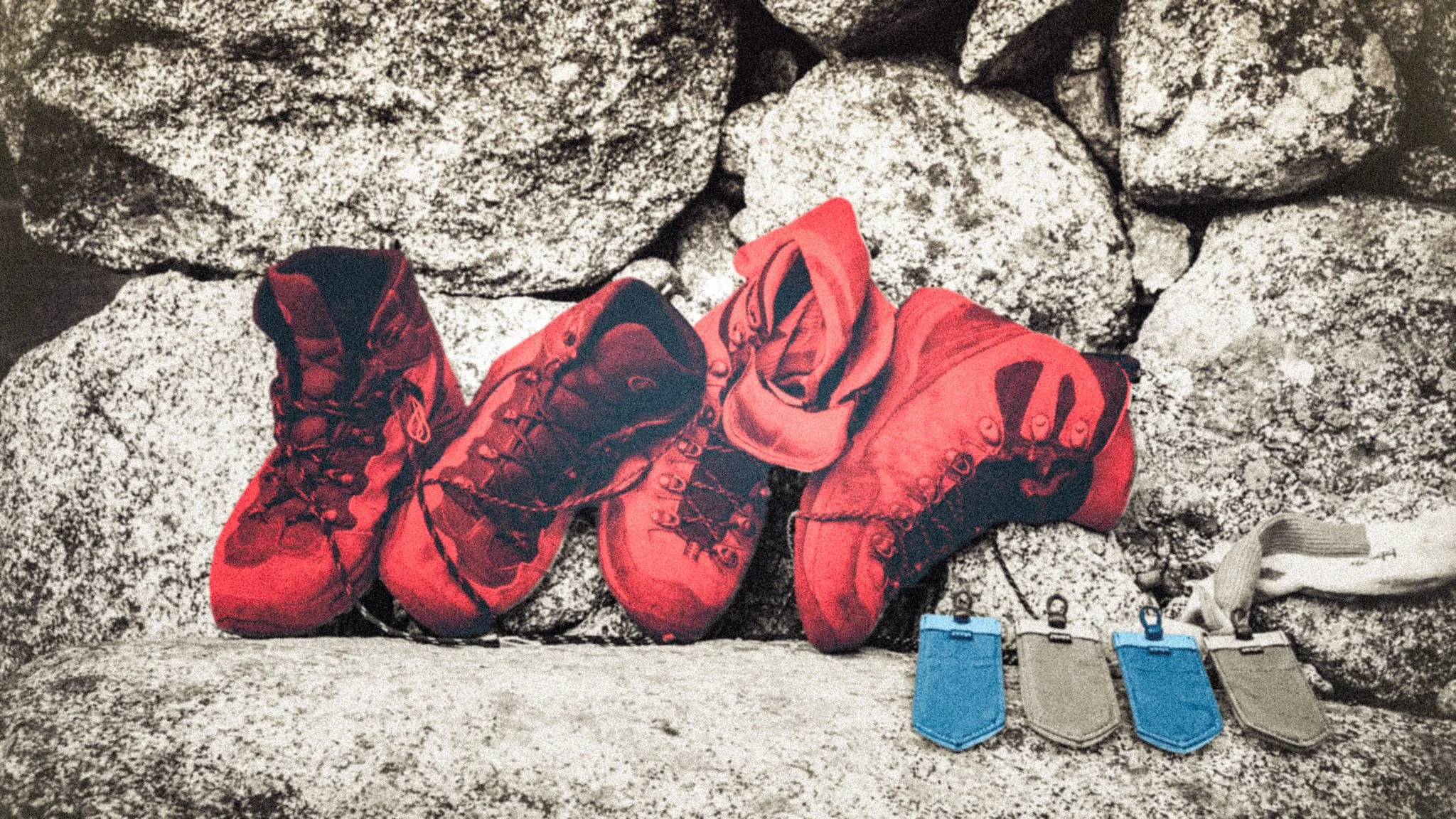
‘Two Hike’ Illustration by Studio4Null4
North Georgia. Known for its lush landscapes and scenic trails. It is a perfect hiking destination for dog guardians and their adventurous Doberman Pinschers because our intelligent and energetic dogs thrive on physical activity and mental stimulation, making the following hiking trails great places to bond and keep them healthy. So common and explore some of the best trails in North Georgia suitable for adult Dobermans. We will consider factors like trail composition, length, and strenuousness to ensure a safe and enjoyable outing for you and your best friend.
1. Amicalola Falls State Park – Base of Falls Trail
Length: 1 mile (round trip)
Surface: Gravel and stairs
Difficulty: Easy to moderate
Features: This trail offers a stunning view of the Southeast’s tallest cascading waterfall. The path is well-maintained with gravel, but much of the climb includes a staircase portion with roughly 600 steps if you continue from the lower falls area toward the top. Your Doberman may need help navigating the stairs safely, especially since several sections use metal grates for traction. The park itself is pet-friendly, but it’s essential to keep your dog on a leash.
Leash Rule: Dogs are allowed on state park trails but must stay on a leash no longer than six feet.
2. Vogel State Park – Bear Hair Gap Trail
Length: 4 miles
Surface: Dirt and rocky patches
Difficulty: Moderate
Features: This forested loop climbs above Vogel State Park and leads to a view of Lake Trahlyta from the overlook, which is especially beautiful in fall. The natural trail surface is generally manageable for a healthy adult Doberman, but the rocky and rooty sections require careful footing. The steady climb makes this a good exercise option for a conditioned adult dog, but it is not a casual stroll for puppies, seniors, or dogs with joint issues.
Leash Rule: Dogs are allowed on state park trails but must stay on a leash no longer than six feet.
3. Fort Mountain State Park – Lake Loop
Length: 1.2 miles
Surface: Mostly natural trail with dirt, gravel, and some uneven sections
Difficulty: Easy
Features: This short loop circles Fort Mountain Lake and is a good choice for a more relaxed walk with your Doberman. The trail passes through shaded forest, near the beach and campground areas, and offers frequent lake views along the way. It is generally easy and low-mileage, though not completely flat, so it is still worth watching your dog’s footing and energy level.
Leash Rule: Dogs are allowed on state park trails but must stay on a leash no longer than six feet.
4. Blood Mountain Trail / Blood Mountain Loop
Length: About 4.5–6.3 miles round trip, depending on the route
Surface: Rocky, rooty, and steep in sections
Difficulty: Strenuous
Features: Blood Mountain is one of North Georgia’s classic summit hikes and reaches the highest point on the Appalachian Trail in Georgia. The climb is steep and rocky in places, but the summit views are a major payoff. This is a hike for an active adult Doberman, not a puppy, senior, or dog with joint issues. The rocky surface can be hard on paws, so consider booties if your Doberman has sensitive feet, and bring enough water for the climb and descent.
Leash Rule: Dogs are allowed on Blood Mountain routes, but they should stay leashed. This hike uses Appalachian Trail and Forest Service land, where leash control is expected, and pets must be restrained or leashed in developed recreation sites.
5. Cohutta Wilderness – Jacks River Trail
Length: Varies by route; up to about 16–17 miles for the full trail
Surface: Natural wilderness trail with rocks, roots, mud, and repeated river crossings
Difficulty: Moderate to strenuous; strenuous for the full route
Features: Jacks River Trail is known for its remote wilderness setting, waterfalls, and repeated river crossings. Shorter route variations can still be demanding, while the full trail includes dozens of fords and you should treat it as a serious backcountry hike, especially after rain. This route is best for fit adult Dobermans and people who are comfortable with water crossings, changing footing, and a long hike out if conditions turn.
Leash Rule: Dogs are allowed on leash on Jacks River Trail; in developed recreation sites, Chattahoochee-Oconee National Forest rules require pets to be restrained or on a leash.
6. Benton MacKaye Trail / Appalachian Trail – Three Forks and Springer Mountain Area
Length: About 7–8 miles for shorter loops in the Three Forks and Springer Mountain area; about 16.4 miles one way for the full Benton MacKaye Trail route from Springer Mountain to Three Forks.
Surface: Natural forest trail with dirt, roots, creek crossings, and rocky sections
Difficulty: Moderate to strenuous, depending on route
Features: This area offers a quieter North Georgia mountain hike with forested terrain, creek crossings, and access to the Springer Mountain area. Shorter loops using the Appalachian Trail and Benton MacKaye Trail (BMT) can make a solid day hike for an adult Doberman used to uneven terrain, while the full BMT route should be treated as a much longer backcountry hike. Check your chosen route carefully before you go, because mileage in this area changes quickly depending on which trail junctions and access points you use.
Leash Rule: Dogs on the Benton MacKaye Trail should be kept on a six-foot or shorter leash; retractable leashes are not acceptable. On the Appalachian Trail portion, dogs should stay leashed.
Hiking Tips for Doberman Owners
Hydration: Always carry enough water for both you and your dog, especially on longer or more strenuous hikes.
Check the Weather: Ensure the weather conditions are suitable for hiking. Dobermans can overheat in hot weather, so they prefer mornings or late afternoons during summer.
Leash: Keep your Doberman on a leash, we researched, there appear to be no designated off-leash areas on any of these public trails. Doing so not only keeps your dog safe but also respects other hikers and wildlife.
Paw Protection: To protect your Doberman's paws, consider protective gear like dog booties for rocky or hot trails.
Emergency Kit: Always bring an emergency kit tailored to human and canine needs. This kit should include first aid supplies, a dog-safe insect repellent, sunscreen, and a sling for carrying your Doberman in case of injury. The sling should be sturdy yet comfortable, allowing you to help your dog if they cannot walk.
For more hiking tips with your Doberman visit this article and also our article about recognizing and managing overheating and fatigue on a hike.
North Georgia has no shortage of beautiful trails for adult Dobermans, from easy lake loops to steep summit climbs and remote river crossings. However, the best choice depends less on the scenery and more on your dog’s age, fitness, paw tolerance (keyword: Amicalola’s metal grates on steps) , heat tolerance, and trail experience. Check the route before you go, keep your Doberman leashed where required, and choose the hike that fits the dog you are bringing to experience a fun day together.
Article last update: 2026, June