Chamomile Tea & Other Applications for Dobermans: Benefits, Preparation, and Uses
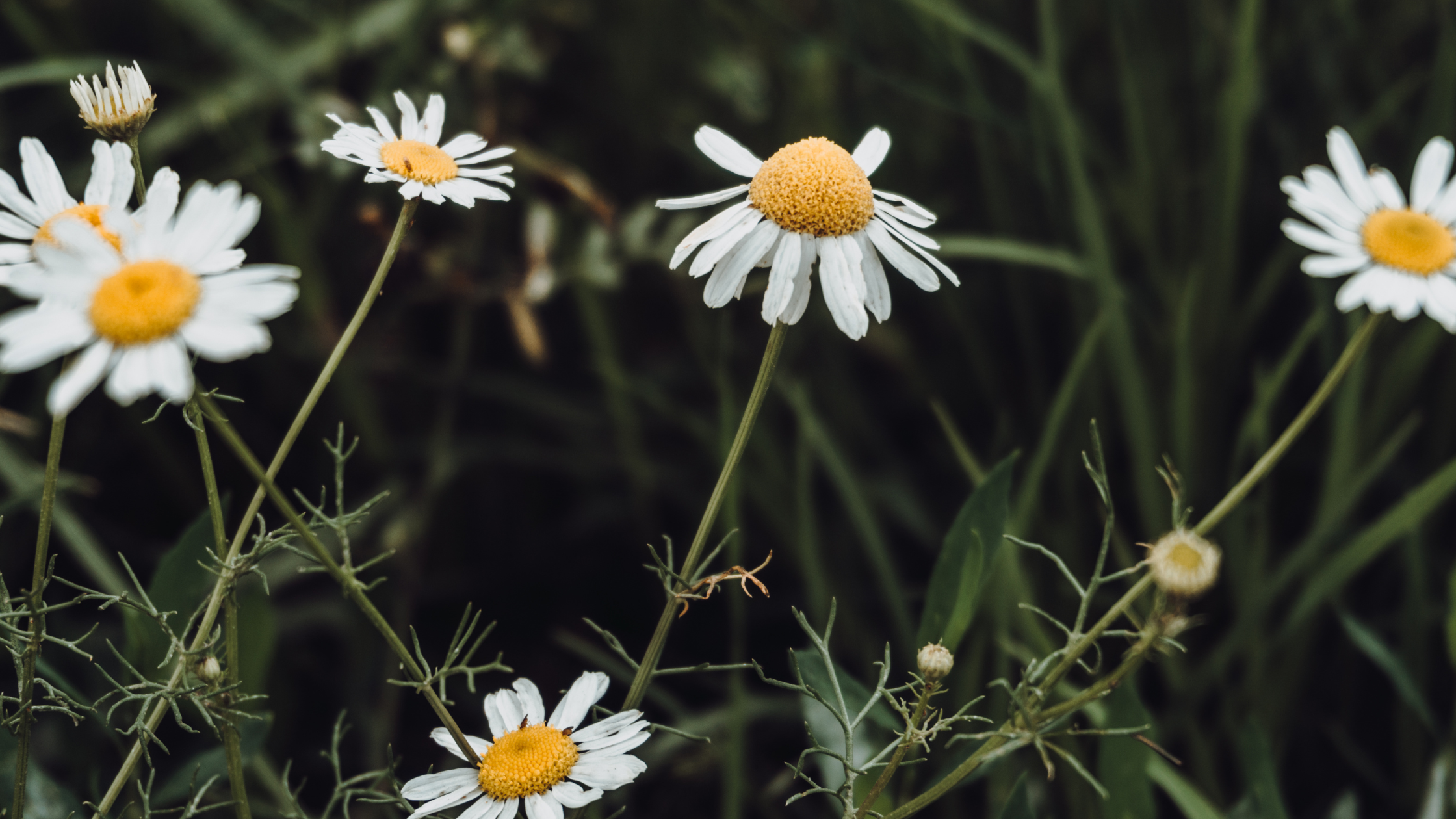
Chamomile tea is well-known for its calming properties and numerous health benefits for humans, but did you know it can also be beneficial for your Doberman? In this detailed guide, we'll explore the benefits of chamomile tea for dogs, how to prepare it properly, and other ways you can use chamomile for your pet. We'll also discuss when not to use chamomile and potential side effects to ensure your Doberman's safety.
Benefits of Chamomile Tea for Dobermans
Chamomile, scientifically known as Matricaria chamomilla (also known as Matricaria recutita or German Chamomile), contains several beneficial compounds, including flavonoids, sesquiterpenes, and essential oils like bisabolol. These compounds contribute to chamomile's anti-inflammatory, antispasmodic, and calming properties. Here are some specific benefits for Dobermans:
Calming Effects: Chamomile is known for its soothing properties, which, as research with shelter dogs has shown, can help support the nervous system when used as an olfactory essential oil (Graham, 2005). This is particularly useful for Dobermans, who are known for their high energy and sometimes nervous temperament. However, dogs have a very sensitive olfactory system. Therefore, use only a very small amount of essential oil in a diffuser placed in the room where they sleep, but never directly next to their bed; always in a safe place they cannot reach, and only in a well-ventilated room.
Digestive Aid: Chamomile can support the digestive tract, and its anti-inflammatory properties (Agah et al., 2015; Brendieck-Worm & Melzig, 2021) may soothe the gastrointestinal tract in mild cases of upset.
Anti-inflammatory and Pain Relief: Although it is not well supported by empirical evidence in dogs, traditional monastic medicine describes chamomile's anti-inflammatory properties and suggests it can help alleviate minor aches and pains and reduce inflammation in conditions like arthritis.
Skin and Coat Health: Chamomile tea can be used topically to promote healthier skin and coat and address itching (Hyland & Gollakner (n.d).
Sleep Aid: Research in humans has shown that chamomile taken orally, as well as aromatherapy, can improve sleep (Kazemi et al., 2024). Thus, even though there is, to our knowledge, no research available for dogs on chamomile’s effect on sleep, in our experience, if your Doberman has trouble sleeping, a small amount of chamomile tea may indeed help promote relaxation and better sleep.
How to Prepare Chamomile Tea for Dobermans
Proper preparation is key to ensuring your Doberman benefits from chamomile tea without any adverse effects.
Ingredients:
Chamomile tea bags or, preferably, chamomile flowers (organic and caffeine-free. DO NOT use any tea with caffeine. It is toxic to your dog. Also, pay attention that there are no other components in the tea that may be harmful to your dog. Use single-ingredient chamomile (tea), and do not use any sweeteners, including artificial sweeteners. Again, these can be toxic to your dog)
Fresh, clean, filtered water
Steps:
Boil the Water: Heat water to a temperature of 200°F (93°C). This is just below the boiling point and is ideal for extracting the beneficial compounds from chamomile.
Steep the Tea: Place one chamomile tea bag or, preferably, 3 teaspoons of chamomile flowers in a cup of hot water (about 5 ounces or 150 ml) (Brendieck-Worm & Melzig, 2021). Let it steep for 5-10 minutes. The longer the steeping time, the stronger the tea will be. However, stronger does not necessarily mean better. It is best not to exceed 10 minutes.
Cool the Tea: After steeping, remove the tea bag and allow the tea to cool to room temperature. Ensure the tea is cool before offering it to your dog to prevent burns.
Serving Size: For small dogs, offer 2-3 teaspoons. For medium to large dogs like Dobermans, offer up to 1/4 cup. Start with a small amount to see how your dog reacts.
Important Note:
Never add sweeteners, caffeine, or other ingredients to the chamomile tea. Sweeteners, especially artificial ones like xylitol, are toxic to dogs. Caffeine can cause hyperactivity, increased heart rate, and other severe health issues. Always ensure that the tea is pure chamomile.
Chamomile Tincture:
Ingredients:
1 cup of chamomile flowers (dried)
2 cups of vegetable glycerin (normally, we recommend alcohol-based tinctures over glycerine-based ones, but because alcohol requires a much more thorough explanation (a serious discussion still to be had), in the case of chamomile, we believe glycerine is a viable option)
Preparation:
Place the chamomile flowers in a glass jar.
Pour the glycerin over the flowers, ensuring they are fully submerged.
Seal the jar and store it in a dark place for 4-6 weeks, shaking it occasionally.
Strain the mixture through a cheesecloth or fine mesh strainer into a clean jar.
Use 1-2 drops per 10 pounds of your dog's weight, diluted in water or added to food.
Product Recommendation: If you don’t want to do it yourself for any reason, such as the time it takes to prepare this tincture, we recommend this product we have used on our Doberman in the past.
Other Uses of Chamomile for Dobermans
Chamomile Compress:
Ingredients: Chamomile tea (prepared as above)
Preparation: Soak a clean cloth in cooled chamomile tea. Apply the compress to irritated or inflamed skin areas for 5-10 minutes.
Chamomile Spray:
Ingredients: Chamomile tea (prepared as above)
Preparation: Pour cooled chamomile tea into a spray bottle. It is a gentle, natural spray to soothe itchy skin or minor wounds. Keep in the fridge for no longer than 5 days.
What's in Chamomile That Provides These Benefits?
While direct empirical evidence is limited, Chamomile contains several active compounds that can contribute to its beneficial effects:
Flavonoids: These antioxidants may help reduce inflammation and support overall health (Valduga et al., 2019; Brendieck-Worm & Melzig, 2021), and the flavonoid apigenin has been attributed to calming effects (Viola et al., 1995, as cited in Sah et al., 2022).
Terpenoids: Bisabolol and chamazulene are two terpenoids that may have anti-inflammatory (Gupta, Srivastava & Lall, 2019).
Coumarins: While coumarins are not, medically speaking, anticoagulants, these natural compounds have anticoagulant properties (Sharifi-Rad et al., 2021), which may improve blood flow and, according to Saller et al. (1995, as cited in Reichling et al., 2016), reduce swelling.
Note: It is important to mention that in the absence of direct research, linking studied compounds found in chamomile, as listed above, is a logical inference, but not to be confused with a statement about chamomile’s studied effects themselves. Moreover, research on dogs is limited, and much of it was conducted on humans or, for example, rats. Generalizability to dogs is, therefore, limited or impossible.
Organic vs. Non-Organic Chamomile
When choosing chamomile tea for your Doberman, opting for organic is generally preferable. Organic chamomile is grown without the use of synthetic pesticides or fertilizers, reducing the risk of your dog being exposed to potentially harmful synthetic chemicals. Non-organic chamomile may contain pesticide residues, which may be harmful over time (Shekhar, 2024). However, if you have a chamomile tea at home that is not organic, in our opinion, you don’t need to throw it out! There is no harm in using what you have and then replacing it with an organic version later. Personal note: We have recently used non-organic tea that Persephone’s grandpa left at our house before returning to Germany, and she can confirm that she did not die.
Regional Considerations
Chamomile, unlike some other herbs such as matcha, typically does not have significant regional issues, but its phytochemical composition can vary by region (Valduga, 2019). It’s always good practice to source chamomile from reputable suppliers that adhere to quality standards to ensure the product's purity and safety.
When Not to Use Chamomile and Potential Side Effects
While chamomile is generally safe, there are instances when it should not be used:
Allergic Reactions: Some dogs, like humans, may be allergic to chamomile (National Center for Complementary and Integrative Health (NCCIH), n.d; Brendieck-Worm & Melzig, 2021). If you notice any signs of an allergic reaction, such as itching, swelling, or difficulty breathing, discontinue use immediately and consult your veterinarian.
Pregnancy and Nursing: In humans, chamomile can stimulate uterine contractions (Gholami et al., 2016), so it is best avoided in pregnant or nursing dogs as well.
Blood Disorders: Due to its anticoagulant properties (NCCIH, n.d), avoid using chamomile in dogs with blood clotting disorders, such as von Willebrand disease, especially if the gene is expressed. If the gene is not expressed, it may not pose a significant issue, but consulting your vet is always recommended.
Potential Side Effects:
Vomiting or Diarrhea: Overconsumption of chamomile can lead to gastrointestinal upset (NCCIH, n.d).
Sedation: Chamomile's calming effects can cause drowsiness, especially if given in large amounts.
Antinutrient Considerations
Chamomile contains very low levels of compounds that might be considered antinutrients. Here are a few minimal antinutrients that could be present in chamomile:
Tannins: These are polyphenolic compounds that can bind to proteins and certain minerals, potentially reducing their absorption. However, the tannin concentration in chamomile is quite low (Singh et al., 2011, as cited in Bayliak et al., 2021), especially in tea form.
Oxalates: Chamomile contains trace amounts of oxalates, which can bind to calcium and form insoluble compounds, reducing calcium absorption (Salawu et al., 2019; Charrier et al., 2002). The levels in chamomile are likely not significant enough to cause concern for most dogs. However, this statement depends on how much camomile tea or tincture you’re giving your dog and your dog’s specific circumstances.
Phytates: Also known as phytic acid, phytates can bind to minerals like iron, zinc, and magnesium, potentially inhibiting their absorption (Pathaw et al., 2022). Again, the levels of phytates in chamomile are minimal.
Coumarins: While not typically classified as antinutrients, coumarins can have blood-thinning effects and may interact with certain medications. This is more of a medicinal interaction rather than a nutrient absorption issue. Please refer back to the appropriate section where we discuss this potential issue.
These compounds are present in such small quantities in chamomile that they are unlikely to have any significant impact on nutrient absorption when consumed in typical amounts, such as in chamomile tea. The overall benefits of chamomile, including its anti-inflammatory, antioxidant, and calming properties, far outweigh the minimal presence of these antinutrients.
Chamomile Can Be of Great Help
Chamomile tea can be a wonderful addition to your Doberman's natural regimen, offering benefits ranging from tummy and skin health. Preparing chamomile tea correctly and using it judiciously can help your Doberman enjoy a happier, healthier life. Always consult your veterinarian before introducing any new supplement to your dog's diet to ensure it's safe and appropriate for their specific health needs.
References
Agah S., Taleb, A., Moeini, R., Gorji, N., Nikbakht, H., & Soltani-Kermanshahi, M. (2015). Chamomile efficacy in patients of the irritable bowel syndrome. Der Pharma Chemica, 2015, 7(4), 41-45. https://www.researchgate.net/publication/281859945_Chamomile_efficacy_in_patients_of_the_irritable_bowel_syndrome
Bayliak, M. M., Dmytriv, T. R., Melnychuk, A. V., Strilets, N. V., Storey, K. B., & Lushchak, V. I. (2021). Chamomile as a potential remedy for obesity and metabolic syndrome. EXCLI journal, 20, 1261–1286. https://doi.org/10.17179/excli2021-4013
Brendieck-Worm, C. & Melzig, M.F. (2021). Phytotherapie in der Tiermedizin. Springer.
Charrier, M.J.S, Savage, G.P., & Vanhanen, L. (2002). Oxalate content and calcium binding capacity of tea and herbal teas. Asia Pacific Journal of Clinical Nutrition, 11(4),298–301. https://apjcn.qdu.edu.cn/11_4_13.pdf
Gholami, F., Neisani Samani, L., Kashanian, M., Naseri, M., Hosseini, A. F., & Hashemi Nejad, S. A. (2016). Onset of labor in post-term pregnancy by chamomile. Iranian Red Crescent medical journal, 18(11), e19871. https://doi.org/10.5812/ircmj.19871
Graham L., Wells, D.L., Hepper, P.G. (2005). The influence of olfactory stimulation on the behavior of dogs housed in a rescue shelter. Journal of Applied Animal Behavioral Sciences, 91(1-2), 143–153. doi: 10.1016/j.applanim.2004.08.024
Gupta, R.C., Srivastava, A., & Lall, R. (Eds). (2019). Nutraceuticals in veterinary medicine. Springer.
Hyland, K. & Gollakner, R. (n.d). Chamomile. https://vcahospitals.com/know-your-pet/chamomile
National Center for Complementary and Integrative Health. (2020, May). Chamomile. https://www.nccih.nih.gov/health/chamomile
Pathaw, N., Devi, K. S., Sapam, R., Sanasam, J., Monteshori, S., Phurailatpam, S., Devi, H. C., Chanu, W. T., Wangkhem, B., & Mangang, N. L. (2022). A comparative review on the anti-nutritional factors of herbal tea concoctions and their reduction strategies. Frontiers in nutrition, 9, 988964. https://doi.org/10.3389/fnut.2022.988964
Reichling, J., Frater-Schröder, M., Saller, R., Fitzi-Rathgen, J., Gachnian-Mirtscheva, R. (2016). Heilpflanzenkunde für die Veterinärpraxis. Springer.
Sah, A., Naseef, P.P., Kuruniyan, M.S., Jain, G.K., Zakir, F., & Aggarwal, G. A (2022). Comprehensive study of therapeutic applications of chamomile. Pharmaceuticals (Basel, Switzerland), 15, 1284. https://doi.org/10.3390/ph15101284
Salawu, S.O, Sanni D.M, Aladenika Y.V, Boligon, A.A. (2019). Evaluation of two tea beverages (camellia sinesis and matricaria chamomilla) as functional foods and their effects on liver biomarkers in wistar rats. Journal of Nutritional Health & Food Engineering, 9(1). https://medcraveonline.com/JNHFE/JNHFE-09-00322.pdf
Sharifi-Rad, J., Cruz-Martins, N., López-Jornet, P., Lopez, E. P., Harun, N., Yeskaliyeva, B., Beyatli, A., Sytar, O., Shaheen, S., Sharopov, F., Taheri, Y., Docea, A. O., Calina, D., & Cho, W. C. (2021). Natural coumarins: exploring the pharmacological complexity and underlying molecular mechanisms. Oxidative medicine and cellular longevity, 2021, 6492346. https://doi.org/10.1155/2021/6492346
Shekhar, C., Khosya, R., Thakur, K., Mahajan, D., Kumar, R., Kumar, S., & Sharma, A. K. (2024). A systematic review of pesticide exposure, associated risks, and long-term human health impacts. Toxicology reports, 13, 101840. https://doi.org/10.1016/j.toxrep.2024.101840
Srivastava, J. K., Shankar, E., & Gupta, S. (2010). Chamomile: A herbal medicine of the past with bright future. Molecular medicine reports, 3(6), 895–901. https://doi.org/10.3892/mmr.2010.377
Valduga, A. T., Gonçalves, I.L., Magri, E., & Delalibera Finzer, J.R. (2019). Chemistry, pharmacology and new trends in traditional functional and medicinal beverages. Food Research International, 120, 478-503. https://www.sciencedirect.com/science/article/abs/pii/S0963996918308822
Zadak, R.S., Khalili, G., Motamedi, M., & Bakhtiari, S. (2023, June 17). The effect of chamomile on flatulence after the laparoscopic cholecystectomy: A randomized triple-blind placebo-controlled clinical trial. Journal of Ayurveda and Integrative Medicine, 14(3). https://www.sciencedirect.com/science/article/pii/S0975947623000517
Disclaimer: The information provided in this article is for educational and informational purposes only and is not intended as a substitute for advice from your veterinarian or other healthcare professional. You should not use this information to diagnose or treat a health problem or disease or prescribe any medication or other treatment. Always consult with your veterinarian or other qualified healthcare provider before making any changes to your pet's healthcare regimen, especially if they have or suspect they may have a health problem. The author and publisher of this article are not responsible for any adverse effects or consequences resulting from the use of any suggestions, products, or procedures mentioned in this article. The use of this information is at the reader's discretion and risk.
Article last updated: March, 2026