“Knuckling” - Understanding Leg Issues in Doberman Puppies: Carpal Laxity Syndrome
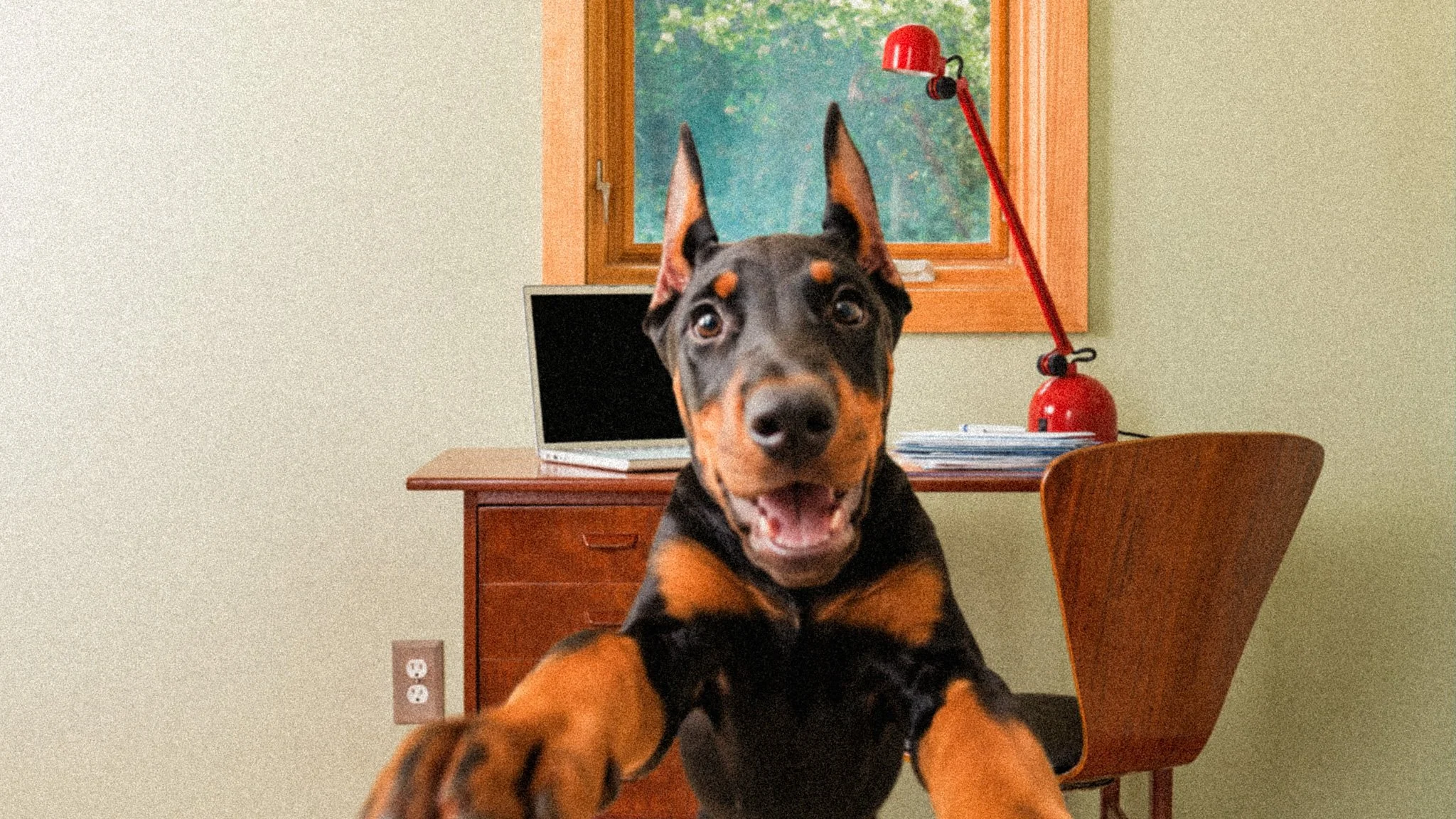
As a Doberman enthusiast and responsible puppy parent, it’s important to be aware of various health conditions that can affect our furry friends. One such condition that can cause concern is Carpal Laxity Syndrome (CLS), often loosely referred to as knuckling. Understanding this condition, its potential contributing variables, symptoms, and treatments can help you provide the best care for your growing puppy.
A Personal Story
At nine weeks old, our late boy, Sir Francis Drake, developed CLS while still at the breeder’s very experienced handler. At that point, she had been raising and showing Dobermans for close to twenty-five years. She mentioned that she had difficulty keeping him off the kennel's concrete floor and let us know that she put him on SureGrow and buffered Vitamin C. All we needed to do was continue this regimen for about a week after he arrived at our house ten days later.
As you will see later in this blog article, it is important to mention that he did not eat a large-breed puppy formula. Instead, he was on a dry all-stages adult formula with premixed raw. The handler clearly knew about the idea that not feeding a puppy formula was important to a growing Doberman’s health. However, despite this diet, he, according to the handler, still started to develop CLS from being on concrete floors too much. Amazingly, his CLS symptoms were already gone by the time we welcomed him into our family. We finished the SureGrow and Vitamin C as recommended, and he never had an issue again. As with any personal account, it is a study of one and should not serve as gospel. We are merely offering our experience.
What is Knuckling?
Within the context of CLS, knuckling is a non-specific clinical sign rather than a condition in itself. Knuckling is associated with CLS (Altunamaz & Guzel, 2006), but, as a symptom, can also be part of a variety of other health challenges with additional clinical signs (Amengual-Batle et al., 2018; Lee et al., 2022). In that sense, knuckling is a descriptive clinical sign, while CLS is one syndrome label used in puppies when that sign presents as this characteristic carpal deformity. In CLS, this symptom presents as a dog walking on the tops of its paws instead of on its pads as it normally should. Since they’re walking on their knuckles, it’s sometimes called knuckeling. This can be seen in one or more limbs and varies in severity. While knuckling can affect dogs of any breed, it is notably prevalent among fast-growing, larger breeds like Dobermans. In carpal laxity syndrome, knuckling is less seen as dragging the foot and knuckling straight under but more to the side based on the carpal area knuckling. Knuckling over, as in straight legs, but the paw hyper flexing so the dog walks on its knuckles can also occur, but with that type of knuckling, the reason may be different than CLS. When this straighter knuckling occurs, often seen in dogs past puppy ages, it is most often related to nervous system issues.
What is Carpal Laxity Syndrome?
Carpal Laxity Syndrome (CLS) is a musculoskeletal condition that primarily affects the carpal joints, or what you might refer to as wrists, of puppies. It typically presents as an abnormal angling or bowing of the front legs. While it can look alarming, it is usually a manageable condition with proper care.
Types of Carpal Laxity Syndrome
Carpal Laxity Syndrome can present in two main forms (Çetinkaya et al., 2007):
Carpal Hyperextension:
Definition: This type involves the over-extension of the carpal joint, where the angle between the forearm and the paw exceeds normal limits, making the joint appear overly straight or even bent backward.
Symptoms: Puppies with carpal hyperextension might walk on their wrists, and the front legs may appear too straight or bowed backward.
Contributing Factors: It may be associated with overloading the joints due to excessive exercise, rapid growth, or improper diet.
Carpal (Hyper)Flexion:
Definition: This type involves a decreased extension of the carpal joint, leading to a more pronounced bowing of the front legs. This version is less common in dogs but can also occur with Hyperextension.
Symptoms: Puppies with carpal flexion have noticeable bowing of the legs and might walk with a more pronounced bend at the carpal joint.
Contributing Factors: Possibly connected to exercise or nutritional imbalances.
When Does Carpal Laxity Syndrome Occur?
CLS typically occurs in puppies between the ages of 6 and 16 weeks, with some literature citing it occurs most often between 6 and 10-week-old puppies (Altunamaz & Ozsoy, 2006). This period is critical for bone and joint development, and rapid growth can contribute to the condition. It is more commonly seen in larger and giant breeds due to their faster growth rates and higher weight, which puts more stress on their developing joints.
Why Are Males More Often Affected?
Males are often reported to be more represented by CLS studies than females (Çetinkaya et al., 2007), Harasen (2010) stating there appears to be a male predisposition in many breeds researched. While this overrepresentation does not prove that males are truly more affected, this disparity may be attributed to several factors:
Growth Rate: Male large-breed puppies generally grow faster and larger than females (Helmink et al., 2000; Tangerud et al., 2007), leading to possibly greater stress on their developing joints.
Weight: Male puppies' increased weight can strain their bones and joints during the critical growth phase.
Hormonal Differences: Hormonal variations between males and females can also influence bone and joint development, making males possibly more susceptible to conditions like CLS. One possible link may be via testosterone’s influence on weight gain within the first 60 days of life (Fusi et al., 2020).
Contributing Factors - Carpal Laxity Syndrome
While its origin is largely unclear (Harasen, 2010), CLS may be attributed to several factors, including:
Genetics: Certain breeds, especially larger and giant breeds like Dobermans, are more predisposed to CLS due to rapid growth rates. As such, some research suggests that CLS may be hereditary in Doberman Pinschers (Atalan et al., 2009).
Nutrition: Research is limited, but some studies show that some puppies with carpal laxity syndrome have slightly elevated levels of serum calcium and phosphorus, elevation of one of the other minerals, or magnesium (Altunamaz & Ozsoy, 2006). Imbalances in key nutrients, particularly calcium and phosphorus, can affect bone development. Puppies need a well-balanced diet to ensure proper growth. Thus, whether you feed raw, gently cooked, or dry food, you need to pay particular attention to the calcium-phosphorus contents of the food. The reason is that, from a logical, not a direct, canine-related empirical standpoint, too much calcium (Weir & Barnette, n.d) may cause disproportionate growth of bone versus muscles and tendons. The result may be that muscles and tendons are too short, which could lead to carpal hyperflexion.
Additionally, some research suggests that overfeeding may contribute to CLS (Centinkaya et al., 2007). The reason is that, in some dogs, the bones and joints may not be able to support the extra weight at this stage of the puppy’s growth. As a result, the ligaments weaken, potentially contributing to (at least in part) the symptoms seen in CLS.Growth Rate: Rapid growth can stress the development of bones and joints, leading potentially to conditions like CLS.
Exercise: Both over-exercising and lack of appropriate exercise may contribute to CLS (Weir & Barnette, n.d). Puppies need moderate exercise to strengthen their muscles without overstraining their joints. Moreover, slippery floors (Weir & Barnette, n.d), such as wood or tile floors, are believed to contribute to the condition.
Symptoms of Carpal Laxity Syndrome
Identifying CLS involves observing the following signs in your puppy:
Duck feet: Puppies with Hyperextension show a flat foot, similar to a duck foot appearance (Barnes & Barnette, n.d). It can be so severe that the accessory carpal pad (the pad on the backside of your dog’s lower front leg) can touch the ground. The carpus may appear knuckled.
Bowing of the Legs: The most noticeable symptom when Hyper-Flexion is involved is the bowing or bending of the front legs. The legs may appear unstable or weak.
Walking on Wrists: In severe cases, puppies might walk on their wrists instead of paws.
Stiffness or Pain: Some puppies might show signs of discomfort or stiffness, especially after exercise.
Management
While Carpal Laxity Syndrome in puppies can look worrisome, it is often treatable with proper care and management. Harasen (2010) states that observation indicates that most CLS cases may not need any intervention and will resolve on their own within 2-4 weeks, and that evidence is limited on whether proposed interventions actually contribute to resolution. However, no intervention may also be associated with incomplete or delayed resolution (Harasen, 2010).
Here are some potential steps to help manage CLS in conjunction with a proper diagnosis from your veterinarian, as well as a thorough discussion with a veterinarian of these approaches before you implement any of them:
Balanced Diet: Since research indicates that exercise and a balanced diet are commonly sufficient to return to orthopedic resolution (Çetinkaya et al., 2007), the first recommendation is usually to ensure your puppy receives a well-balanced diet of essential nutrients. Consult your vet for dietary recommendations for your puppy’s breed and growth rate. Proper calcium-to-phosphorus ratios are crucial, whereas too much calcium, as explored, is likely the greater concern. As such, the recommendation is often not to feed puppy formula due to concerns about excess calcium.
The idea that too much protein leads to the condition is complex regarding dry food and, unlike what many believe, is not likely to be the main reason for CLS to develop. According to Nap et al. (1991), in a study of Great Danes, differences in protein intake per se had no demonstrable consequences for calcium metabolism or skeletal development, and the authors concluded that a causative role for dietary protein in osteochondrosis in dogs is unlikely. Moreover, the literature implicates overfeeding/rapid growth and calcium-phosphorus imbalance more consistently, while the cause of CLS itself remains unconfirmed (Centikaya et al., 2007). While the research is limited and indirect, there is currently no evidence that supports the idea that too much protein is associated with or causes CLS.
However, as stated, general overfeeding is sometimes associated with CLS (Centikaya et al., 2007).Handlers’ recommended SureGrow and Buffered Vitamin C:
As you have seen in our personal story, people who are exceptionally experienced with the breed do not feed puppy formulas and add balanced raw food to their diets. Despite this nutritional approach, a puppy might still develop CLS symptoms, in our case, possibly due to flooring issues. People on Facebook usually get rather upset when someone recommends SureGrow to remedy CLS. We acknowledge that, given our puppy’s resolution timeframe and Harasen's (2010) statements that many cases resolve with or without intervention within 2-4 weeks, he may have recovered without the handler’s suggested supplementation. There is simply no way to know for sure. However, here’s why this approach can work and why this advice is widely recommended not only by our, but also by other extremely breed experienced dog handlers and breeders:SureGrow:
Nutrient Support: SureGrow is a supplement that provides essential nutrients like calcium, phosphorus, and vitamin D, which are critical for bone development. The proper ratios of these nutrients in the supplements can help correct imbalances that might contribute to CLS.
Bone and Joint Health: The supplement supports overall bone and joint health, which is crucial during the rapid growth phase of puppies. Just beware that your puppy likely should be taken off puppy dog food, especially when adding SureGrow, to avoid excess calcium in the diet. However, always discuss your ideas with your veterinarian before changing or adding anything to your dog’s diet.
Buffered Vitamin C:
Collagen Formation: Vitamin C is important for the synthesis of collagen, a vital component of cartilage and joint health (Wu, 2024). While canines have not been explicitly studied at the time of writing (and updating) this article, in humans, buffered vitamin C is easier on the stomach (Gruenwald, 2006) and may be better tolerated by puppies than non-buffered versions.
Antioxidant Properties: Limited research in canines suggests that vitamin C may have antioxidant properties that may help reduce inflammation and support the immune system (Barroso et al., 2024), promoting overall health and potentially aiding recovery from CLS.
Moderate Exercise: Provide moderate, controlled exercise to help strengthen your puppy’s muscles without overloading their joints. Avoid high-impact activities until the condition improves.
Splints or Bandages: In some cases, veterinarians may recommend using splints or bandages to support the legs as they grow and strengthen. Some well-documented observations, however, indicate that splinting can result in hyperextension rather than fixing it (Harasen, 2010).
Veterinary Care: Last, but certainly not least, regular check-ups with your veterinarian are essential. They can monitor your puppy’s progress and adjust treatment plans as necessary. In some cases, physical therapy might be recommended.
Preventive Measures
While genetic predisposition can’t be changed, you may be able, in conjunction with your veterinarian’s guidance, take preventive measures to reduce the risk of CLS:
Proper Nutrition: Feed a high-quality diet appropriate for your puppy’s breed, size, and age. Here at A Doberman’s World, we recommend a balanced raw diet (either formulated by a certified canine nutritionist or a commercially pre-made raw that is balanced and complete per AAFCO standards). If raw is not an option, we recommend gently cooked versions of the aforementioned formulations. While we understand that most readers likely feed commercial dry food, on average, we do not recommend kibble. Usually, concerns about the cost can be alleviated when shown how to source the ingredients for balanced meals. The cost of a raw diet in comparison to a top-shelf dry food is comparable.
Controlled Growth: Avoid overfeeding and monitor your puppy’s weight to prevent too rapid growth.
Appropriate Exercise: Provide age-appropriate exercise that promotes healthy development without overloading the joints.
Regular Vet Care
Carpal Laxity Syndrome is often effectively managed with proper care. By understanding the contributing factors, symptoms, and treatment options, you can help ensure your puppy grows up strong and healthy. Regular veterinary care, a balanced diet, and appropriate exercise are likely beneficial components in managing and possibly preventing this condition.
As always, consult your veterinarian if you notice any signs of bowing or other abnormalities in your puppy’s legs. Early intervention and proper management can make a significant difference in your puppy’s development and overall well-being.
For more detailed advice and tips on puppy care, follow our blog and stay informed about the best practices for raising a happy, healthy Doberman.
References
Altunatmaz, K. & Guzel, O. (2006). Carpal flexural deformity in puppies. Medycyna Weterynaryjna,62(6). https://www.medycynawet.edu.pl/images/stories/pdf/pdf2006/06/20066s06490651.pdf
Altunatmaz K., & Ozsoy S. (2006, June). Carpal flexural deformity in puppies. Medycyna Weterynaryjna,62(6), 71– 74. https://www.researchgate.net/publication/238712376_Carpal_flexural_deformity_in_puppies
Amengual-Batle, P., Rusbridge, C., José-López, R., Golini, L., Shelton, G. D., Mellersh, C. S., & Gutierrez-Quintana, R. (2018). Two mixed breed dogs with sensory neuropathy are homozygous for an inversion disrupting FAM134B previously identified in Border Collies. Journal of veterinary internal medicine, 32(6), 2082–2087. https://doi.org/10.1111/jvim.15312
Atalan, G., Onmaz, A. C., & Gunes, V. (2009, September). Haematological and some biochemical parameters in puppies with carpal laxity syndrome. Revue Méd Vét, 160(8), 400-403. https://www.researchgate.net/publication/283597867_Haematological_and_some_biochemical_parameters_in_puppies_with_carpal_laxity_syndrome
Barnes, C. & Barnette, C. (n.d). Carpal hyperextension in dogs. https://vcahospitals.com/know-your-pet/carpal-hyperextension-in-dogs
Barroso, C., Fonseca, A. J. M., & Cabrita, A. R. J. (2024). Vitamins, minerals and phytonutrients as modulators of canine immune function: A literature review. Veterinary sciences, 11(12), 655. https://doi.org/10.3390/vetsci11120655
Çetinkaya, M. A., Yardimci, C. , & Sağlam, M. (2007). Carpal laxity syndrome in forty-three puppies. Veterinary and Comparative Orthopaedics and Traumatology, 20(02): 126-130. DOI: 10.1160/VCOT-06-06-0051
Fusi, J., Comin, A., Faustini, M., Prandi, A., & Veronesi, M. C. (2020). Perinatal concentrations of 17β-estradiol and testosterone in the toe claws of female and male dogs from birth until 60 days of age. Animal reproduction science, 214, 106313. https://doi.org/10.1016/j.anireprosci.2020.106313
Gruenwald, J., Graubaum, H. J., Busch, R., & Bentley, C. (2006). Safety and tolerance of ester-C compared with regular ascorbic acid. Advances in therapy, 23(1), 171–178. https://doi.org/10.1007/BF02850358
Harasen, G. (2010). Canine carpal conundrums. The Canadian veterinary journal = La revue veterinaire canadienne, 51(8), 909–910. https://www.ncbi.nlm.nih.gov/pmc/articles/PMC2905020/
Helmink, S. K., Shanks, R. D., & Leighton, E. A. (2000). Breed and sex differences in growth curves for two breeds of dog guides. Journal of animal science, 78(1), 27–32. https://doi.org/10.2527/2000.78127x
Lee, H., Lee, H., Lee, K., Roh, Y., Jeong, S., Kim, D., & Jeong, J. (2022). Epineural Neurorrhaphy of a Large Nerve Defect Due to IatroGenic Sciatic Nerve Injury in a Maltese Dog. Veterinary sciences, 9(7), 361. https://doi.org/10.3390/vetsci9070361
Nap, R. C., Hazewinkel, H. A., Voorhout, G., Van den Brom, W. E., Goedegebuure, S. A., & Van 'T Klooster, A. T. (1991). Growth and skeletal development in Great Dane pups fed different levels of protein intake. The Journal of nutrition, 121(11 Suppl), S107–S113. https://doi.org/10.1093/jn/121.suppl_11.S107
Weir, M, & Barnette, C. (n.d.). Carpal laxity in puppies. VCA Animal Hospitals. https://vcahospitals.com/know-your-pet/carpal-laxity-in-puppies#:~:text=Carpal%20flexion%20is%20the%20opposite,the%20front%20of%20the%20leg.
Wu, G. (2024). Nutrition and metabolism of dogs and cats. Springer
Disclaimer: The information provided in this article is for educational and informational purposes only and is not intended as a substitute for advice from your veterinarian or other healthcare professional. You should not use this information to diagnose or treat a health problem or disease or prescribe any medication or other treatment. Always consult with your veterinarian or other qualified healthcare provider before making any changes to your pet's healthcare regimen, especially if they have or suspect they may have a health problem. The author and publisher of this article are not responsible for any adverse effects or consequences resulting from the use of any suggestions, products, or procedures mentioned in this article. The use of this information is at the reader's discretion and risk.
Article last updated: June, 2026