Debunking the Alpha Dog Training Myth: A Comprehensive Insight
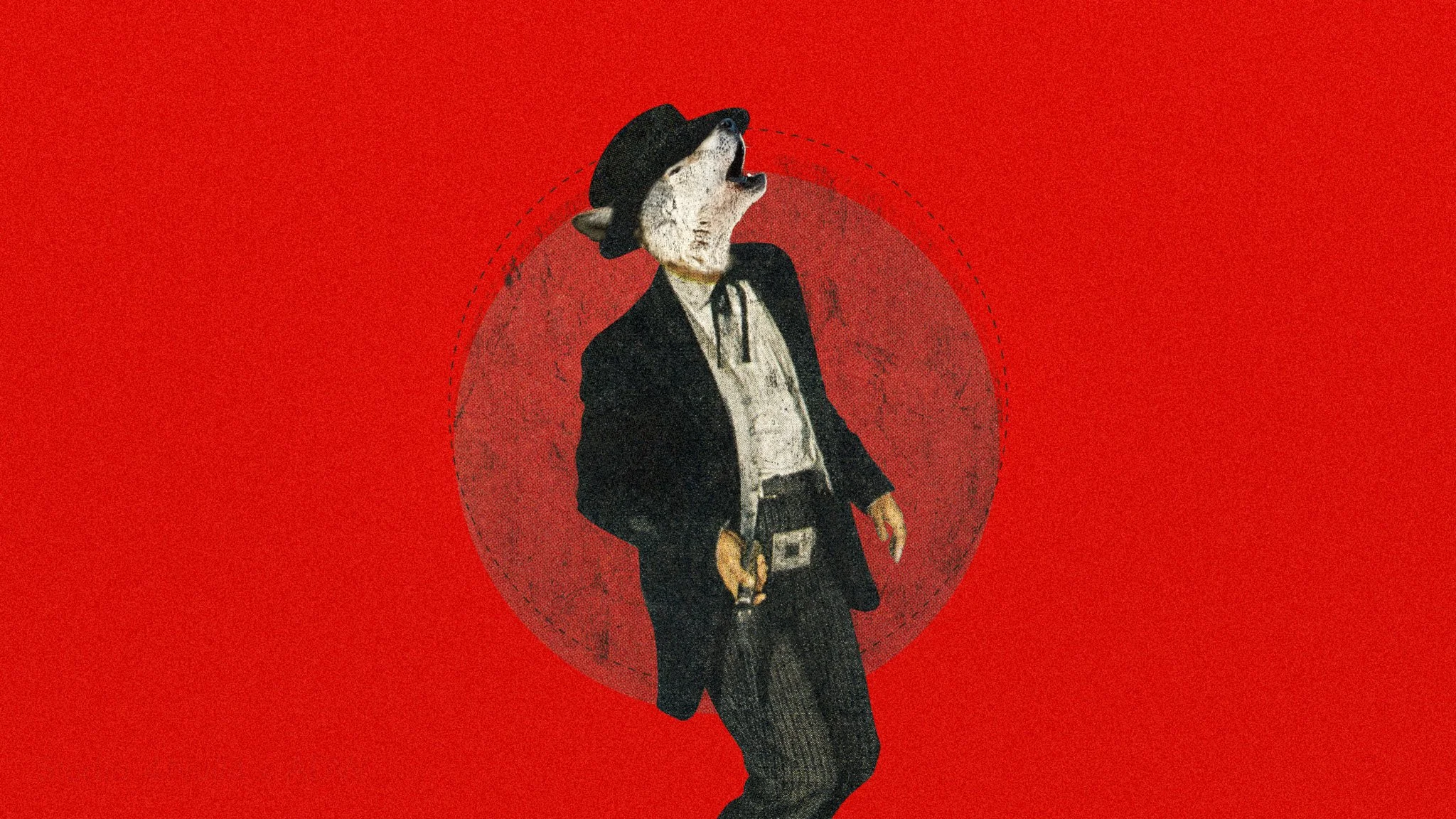
‘Alpha Fail’ Illustration by Studio4Null4
The concept of being the "alpha" in dog training has been widely misunderstood and misapplied, which had lead to numerous heated debates and misconceptions within the dog training community. The alpha theory proponents’ misunderstanding primarily stems from outdated research and observations of wolves in captivity, which have inadvertently shaped how many view and train their dogs. In this article, our aim is to clarify these misconceptions, delve into the origins of the alpha dog myth, guide more effective and humane training methods and interactions with our Doberman companions, and caution why all these insights are important for Doberman guardians.
The Origin of the Alpha Myth
The alpha dog theory originated from early studies conducted in the 1940s by animal behaviorists, most notably Rudolph Schenkel, who observed wolves in captivity. Schenkel concluded that wolves in a pack operate with a strict hierarchy, with the alpha male and female at the top, dominating over the others to maintain order and leadership. This observation was quickly generalized to dogs and from there taught and accepted in the dog training world. From there, the widespread belief that humans must assert dominance over their pets to achieve obedience and establish leadership made its way into your household.
However, the critical flaw in this theory lies in its foundational research, as researchers observed the wolves not in their natural habitat but in captivity, randomly collected from different Zoos. These conditions vastly differ from the wild, where wolves form family units rather than packs forced together. In the wild, a female and male wolf mate, and they and their pups form the pack. Together, mom and dad naturally form the role of leaders just as parents of human children would. The dynamics observed in captivity reflected the stress and unnatural behavior of animals in confinement put together randomly, not the social structures of wild wolves, resulting from a naturally formed family.
Today, research has also found that dogs likely do not look at their living environment as random individuals living together. Newer research has shown shown oxytocin-mediated positive feedback loops between dogs and humans when they gaze at each other, which they say is comparable to the mutual gaze/oxytocin loop known from human mother-infant bonding. What this means is that dogs may perceive their humans as parent-like figures who parent when they need to protect their offspring instead of an alpha who consistently needs to assert their position.
The Correction of Faulty Observations
In the years following these initial observations, the very researchers who popularized the alpha wolf concept began to question and ultimately refute their earlier conclusions. Notably, Dr. David Mech, a leading wolf expert who contributed extensively to the early understanding of wolf behavior, has been vocal in correcting the misconceptions about alpha dynamics. Through further research, Mech observed that wild wolf packs operate more like families, with the breeding pair (previously mislabeled as the "alpha" pair) acting as parents to the younger wolves. These packs are characterized by cooperation, shared leadership, and social bonds rather than rigid hierarchies and domination.
Misapplications in Dog Training
The misinterpretation of wolf pack dynamics led to the widespread adoption of dominance-based training methods to establish the human as the "alpha" in the human-dog relationship. The aversive training techniques we often see in our Doberman community originate from the training of dogs in the military. This approach often includes punishment and assertive techniques to correct unwanted behavior, assuming that dogs naturally challenge their guardians for dominance.
However, modern animal behaviorists and dog training professionals have criticized these methods as outdated and potentially harmful. Evidence suggests that dogs, like their wild counterparts, respond better to positive reinforcement and cooperative strategies that foster mutual respect and understanding rather than fear or submission.
Towards a More Cooperative Approach
Understanding the true nature of wild wolf packs and their cooperative dynamics offers valuable insights into more effective and humane ways of interacting with dogs. Recognizing that leadership does not equate to dominance and that communication and mutual respect are paramount can transform how owners train and bond with their pets.
Training methods that emphasize positive reinforcement, consistency, and patience encourage dogs to learn and behave not out of fear of punishment but out of trust and a desire to please. These methods acknowledge the dog's perspective and allow for a two-way communication channel where feedback is given and received by both parties, much like the natural exchanges observed in wild wolf families.
The Detrimental Effects of Alpha Techniques on Dobermans
Dobermans, bred for their loyalty, intelligence, and capacity for close human companionship, are highly sensitive to their owners' cues and emotions. This intrinsic trait makes them particularly vulnerable to the negative impacts of dominance-based training methods. Applying alpha techniques, which often involve assertiveness and punishment, can erode the trust and bond between a Doberman and its owner. These methods may suppress the dog's natural inclination to communicate and cooperate, potentially leading to increased anxiety, stress, and even behavioral issues.
Unlike the misguided notion of asserting dominance, training approaches prioritizing understanding, patience, and positive reinforcement align more closely with the Doberman's natural disposition. Such methods foster a healthy and respectful relationship and enhance the Doberman's natural abilities to learn and adapt to their human family's dynamics. Recognizing Dobermans' unique connection with their owners underscores the importance of moving away from outdated alpha dog training myths towards more compassionate and effective training practices.
The shift from the alpha dog myth towards a more understanding and cooperative approach to dog training is not just a trend but a reflection of our deepened understanding of canine behavior and psychology. By debunking outdated myths and embracing methods that foster mutual respect and understanding, we can build stronger, more harmonious relationships with our four-legged Doberman friends. Let's move forward with the knowledge that leadership in the animal world is not about dominance but guidance, care, and mutual respect, mirroring the natural dynamics of wolf packs in the wild.
Further Readings:
Rudolph Schenkel: Expression Studies on Wolves, 1947.
https://archive.org/details/SchenkelCaptiveWolfStudy.compressed
L. David Mech: “Alpha Status, Dominance, and Division of Labor in Wolf Packs”, Canadian Journal of Zoology, 1 November 1999. Summary.
https://digitalcommons.unl.edu/cgi/viewcontent.cgi?article=1343&context=usgsnpwrc
L. David Mech: “Leadership in Wolf, Canis lupus, Packs”, Canadian Field Naturalist, 2000.
https://digitalcommons.unl.edu/cgi/viewcontent.cgi?article=1388&context=usgsnpwrc
L. David Mech: “Whatever Happened to the Term Alpha Wolf?”, International Wolf, winter 2008, International Wolf Center.