Fi Dog Supplement Recall
ADW / HEALTH
Fi recalls two dog supplements over possible Salmonella contamination
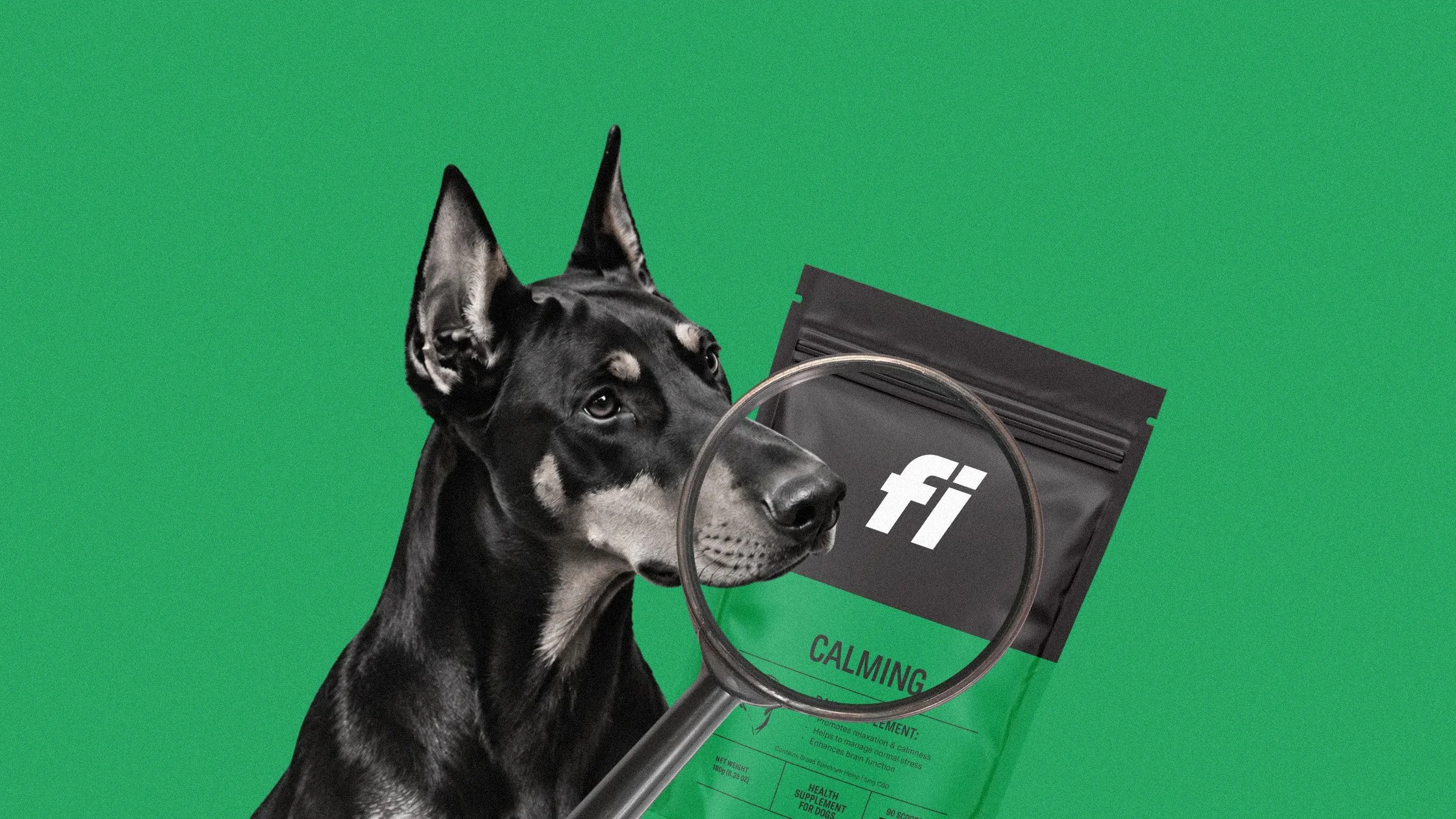
Fi has recalled the two supplement lots below. If either matches your Doberman’s supplement, stop using it.1
Fi announced the recall September 3, 2026; FDA posted it September 8.1
Check the product and lot1
Fi Calming supplement for Dogs
- Recalled lot
- 26118
- Package size
- 180 g
- UPC
- 8 50064 80011 1
Fi 8-in-1 Formula supplement for Dogs
- Recalled lot
- 26159
- Package size
- 180 g
- UPC
- 8 50055 11168 4
The recalled products reached consumers directly and through Amazon and Chewy.com.1
Fi instructs consumers to seal the container tightly and discard it in the trash.1
If your Doberman has eaten an affected supplement
Salmonella bacteria can cause illness in dogs and people. An infected dog can appear well and still shed the bacteria in stool and saliva, spreading them to people, other pets and household surfaces.2
Watch for vomiting, diarrhea (including bloody diarrhea), fever, loss of appetite or reduced activity.2 When symptoms follow consumption of a recalled supplement, Fi’s notice advises contacting your veterinarian.1
People in the household
People can become infected after handling contaminated pet food or utensils and accidentally transferring bacteria to their mouth. Symptoms can include diarrhea, fever, vomiting, nausea and stomach pain.2 Contact your healthcare provider if symptoms follow contact with the product.1
Children under five, older adults, pregnant people and people with weakened immune systems have a greater risk of severe illness from Salmonella.2
Cleaning bowls and utensils
Wash your hands thoroughly after handling the supplement, surfaces it touched or your dog’s waste.1
For bowls and utensils that touched the supplement, CDC’s general pet-supply guidance describes washing with soap or detergent and warm water, scrubbing, rinsing and drying. Follow any cleaning instructions supplied with the item.3
If you disinfect, follow the disinfectant label, including any precleaning, contact-time and rinsing requirements. Keep your dog away during cleaning and until the item is safe to use again under those instructions.3
What Fi says about the cause
Fi attributes the possible contamination to an ingredient supplied to its manufacturer and says the manufacturer suspended production during its investigation.1
The announcement does not name the ingredient or supplier. It provides no laboratory results or illness count.1 The missing count does not establish that no animals or people became ill.
Questions and reporting
Contact Fi: support@tryfi.com or 1-888-434-3647, daily, 10 a.m.–8 p.m. ET.1
You can report a suspected supplement-related illness or product problem using Form FDA 1932a. FDA’s instructions explain how to download, complete and email the form to CVM1932a@fda.hhs.gov. Include the product details, your dog’s health history and a description of what happened. Your veterinarian can help supply clinical information.4
References
- Fi. (2026, September 3). Fi recalls supplements for dogs because of possible Salmonella contamination. U.S. Food and Drug Administration. https://www.fda.gov/safety/recalls-market-withdrawals-safety-alerts/fi-recalls-supplements-dogs-because-possible-salmonella-contamination
- U.S. Food and Drug Administration. (n.d.-a). Get the facts about Salmonella. https://www.fda.gov/animal-veterinary/animal-health-literacy/get-facts-about-salmonella
- Centers for Disease Control and Prevention. (2026, February 18). About cleaning and disinfecting pet supplies. https://www.cdc.gov/healthy-pets/about/cleaning-and-disinfecting-pet-supplies.html
- U.S. Food and Drug Administration. (n.d.-b). How to report animal drug and device side effects and product problems. https://www.fda.gov/animal-veterinary/report-problem/how-report-animal-drug-and-device-side-effects-and-product-problems