The Velcro Nature of Dobermans: A Closer Look
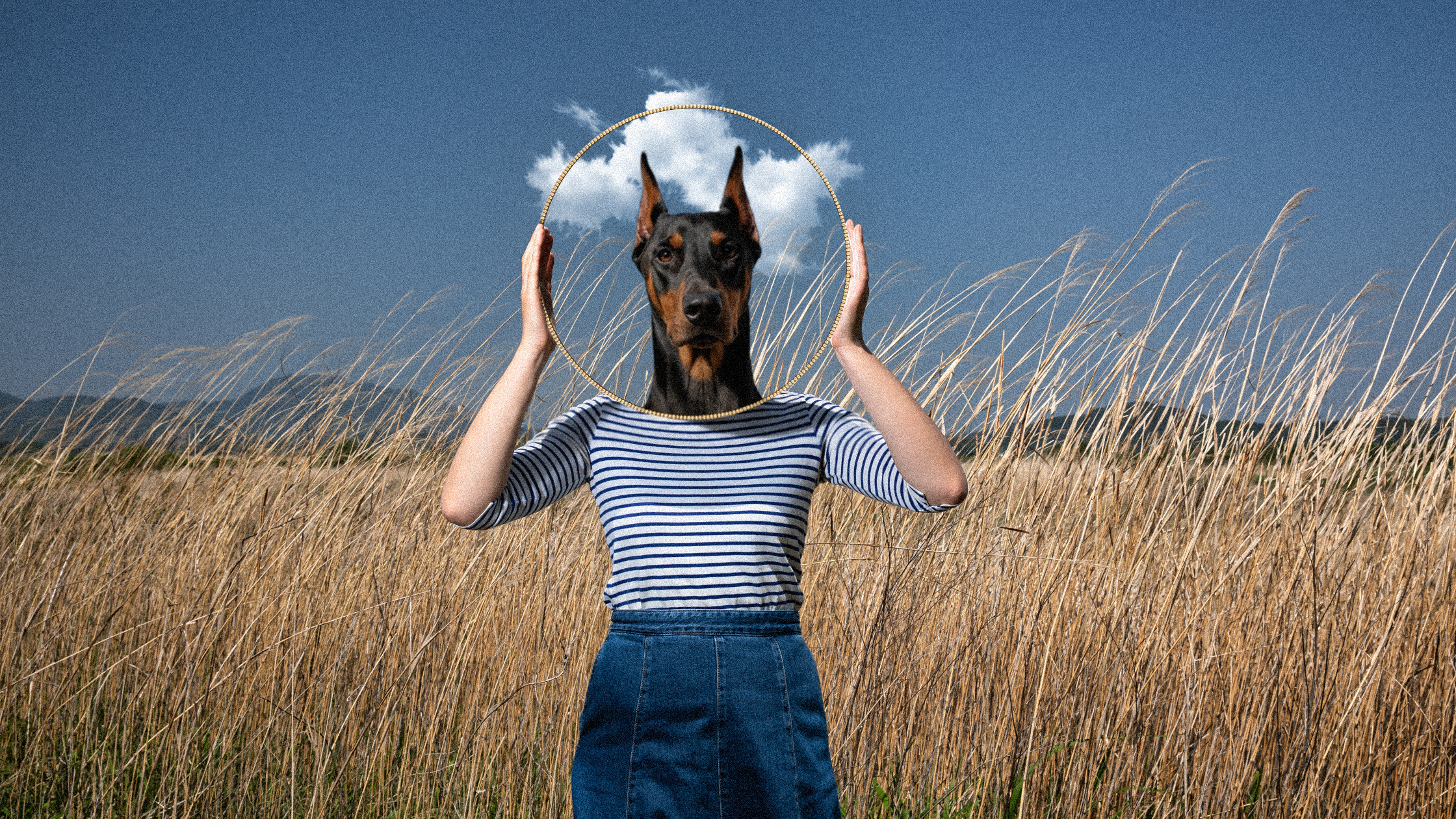
“We’re One” Collage work by Studio4Null4
One characteristic that sets Dobermans apart is their desire to be "Velcro dogs," which affectionately describes their longing to stay close to their people. While Dobermans can keep themselves busy, when you are around they mirror your movements and seek constant companionship. Even when they play with another dog, they tend to come and check in with you, giving you a quick nose boop or seeking eye contact with you to make sure everything is still in order. But why do Dobermans exhibit this behavior more than some other breeds, and what does this mean for potential owners? To us, one of the most crucial parts to understand is the distinction between being a velcro dog and separation anxiety, as well as strategies to foster a healthy relationship with your very attached friend, all of which we will discuss in this article.
Why Dobermans Stick Close
In the late 19th century a German tax collector named Karl Friedrich Louis Dobermann started developing the Doberman breed due to personal protection needs. This part of the breed's history has imbued Dobermans with a deep-seated need to stay close to their humans, protecting and loyally serving as companions [learn more about the breed’s history here]. Their breeding focused on traits such as not pounding sand when things get rough, intelligence, and a keen sense of their owner's presence and well-being, which resulted in a dog that is not just physically protective but emotionally aware and bonded to their human. Dobermans read humans and other creatures so much that they know you better than you know yourself.
Before You Welcome a Doberman Into Your Life
We understand that the idea of a dog that is deeply loyal and always by your side may sound appealing, but if you are thinking about bringing a Doberman into your home, you should carefully consider this trait. Their desire to be with you is not a sign of neediness but a reflection of their breed history and protective nature. They thrive in environments where they can participate in family activities and are not left alone for long periods. Let us be very clear: a Doberman is not the dog for you, if you live a lifestyle that requires your dog to be alone for most of the day. You can find an entire deep dive article into what you should consider before getting a Doberman (or if you want to understand them better) here.
Preventing Separation Anxiety in Dobermans
Wanting to be near their owners does not necessarily mean Dobermans are prone to separation anxiety. It's crucial to differentiate between a dog that enjoys being close to its owner and one that experiences stress and anxiety when left alone. Separation anxiety is characterized by destructive behavior, excessive barking, and other signs of distress in the absence of their owner. That is not what being a Velcro Dog is.
If you do decide to bring a Doberman into your home, you will want to ensure your Doberman doesn't develop separation anxiety. Start with proper training and socialization from an early age. Teach them that being alone for short periods is okay and part of their routine. Gradually increasing the time they spend alone will help them become more independent. More precisely, start by leaving the room for a few seconds and immediately come back when your dog becomes vocal. The idea to let your dog ‘work it out’ is as outdated as ‘letting children cry’ without paying them any attention. Make your Doberman learn that you always come back. The way to do that is to stay very close and attend to their needs once they start making it clear that they are uncomfortable with the situation. Providing mental stimulation through puzzle toys and ensuring they get plenty of physical exercise before you have to leave can also help manage their energy levels and reduce anxiety.
Creating a safe and comfortable space for your Doberman when you're not home can also make a difference. This could be a crate (if they're crate-trained, but know that, as European rooted team, we are not crate advocates) or, what we prefer, a designated area in your home where they feel secure and relaxed. What is vital helping your Doberman understand that you will always return and their alone time is temporary is consistency and routine.
Embracing the Velcro Nature
Once you fully embrace a Doberman's Velcro nature, it can lead to a rewarding companionship. As Doberman guardians of now almost 15 years, we can attest that they offer unwavering loyalty and affection, making them exceptional family members for those who can meet their needs for companionship and mental stimulation. Their desire to be close is a testament to their protective instincts and deep bond with their humans, not a predisposition to anxiety.
If you become a Doberman’s family, you need to incorporate your Doberman into your daily activities and ensure they're well-socialized. You will need to have the patience and time to train them to handle being alone because these are the essential steps in nurturing a healthy and happy relationship with your loyal companion. Remember, the Velcro nature of a Doberman is not about clinginess; it's about a profound bond that, when understood and respected, becomes one of the breed's most endearing qualities.
Owning a Doberman is not a thing. If anything, they own your heart. And more importantly, you are a team that is built on your commitment to understanding and embracing their needs, including their desire to be by your side. With the right approach, you can enjoy the loyalty and affection of your Velcro dog while ensuring they remain confident and happy, even in your absence.