
Browse our Complementary Magazine Articles.
Browse our
Complementary
Magazine Articles.

Understanding Your Doberman’s First Heat: Signs and Compassionate Care

Understanding Idiopathic Head Tremors in Dobermans: A Different Approach

The Cultural Icon: Dobermans in Media and Public Perception - A Story of Stereotypes

5 Things Not to Include on Your Doberman's Dog Tag

This isn’t just a store →
It’s a concept space built for Dobermans and the people who understand them.

You Won’t Find Gimmicks →
No synthetic fluff, no trendy distractions—just considered design and expert insight.
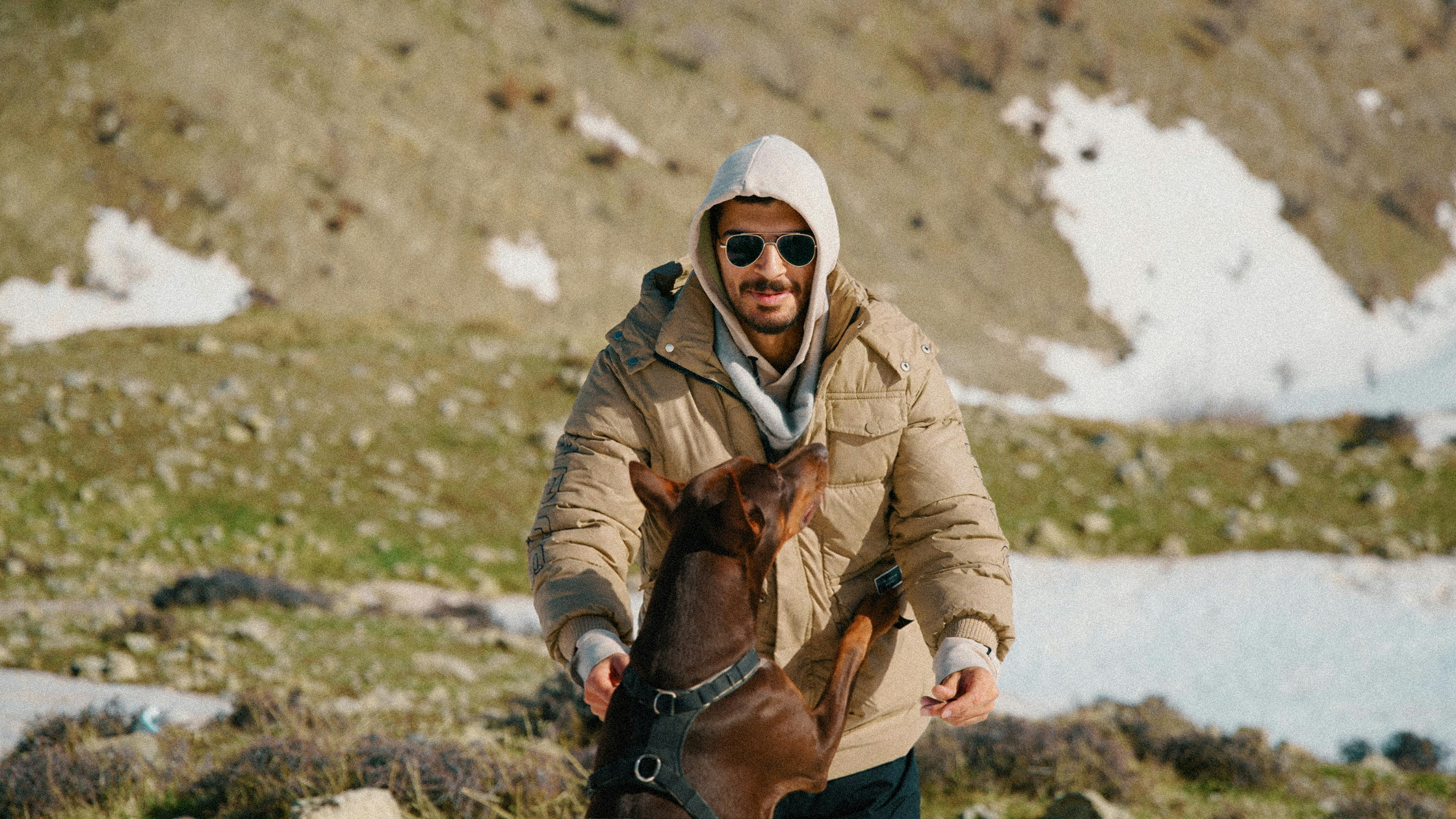
Hiking with Your Doberman: Recognizing and Managing Overheating and Fatigue
Dobermans can make enthusiastic hiking partners, but heat, fatigue, terrain, and overexertion can become serious quickly. This guide explains how to recognize signs of overheating and fatigue, prepare your Doberman with conditioning, hydration, trail timing, and breaks, and respond if your dog starts showing distress on the trail.

Hiking with a Doberman: A Guide for Guardians
Hiking with a Doberman can be a wonderful way to build fitness, trust, and connection, but the trail asks for more than enthusiasm. This guide looks at hiking through a Doberman-specific lens, including conditioning, leash control, public perception, health considerations, gear, wildlife awareness, females in heat, and post-hike checks.

Best Hikes in North Georgia for Adult Doberman Pinschers
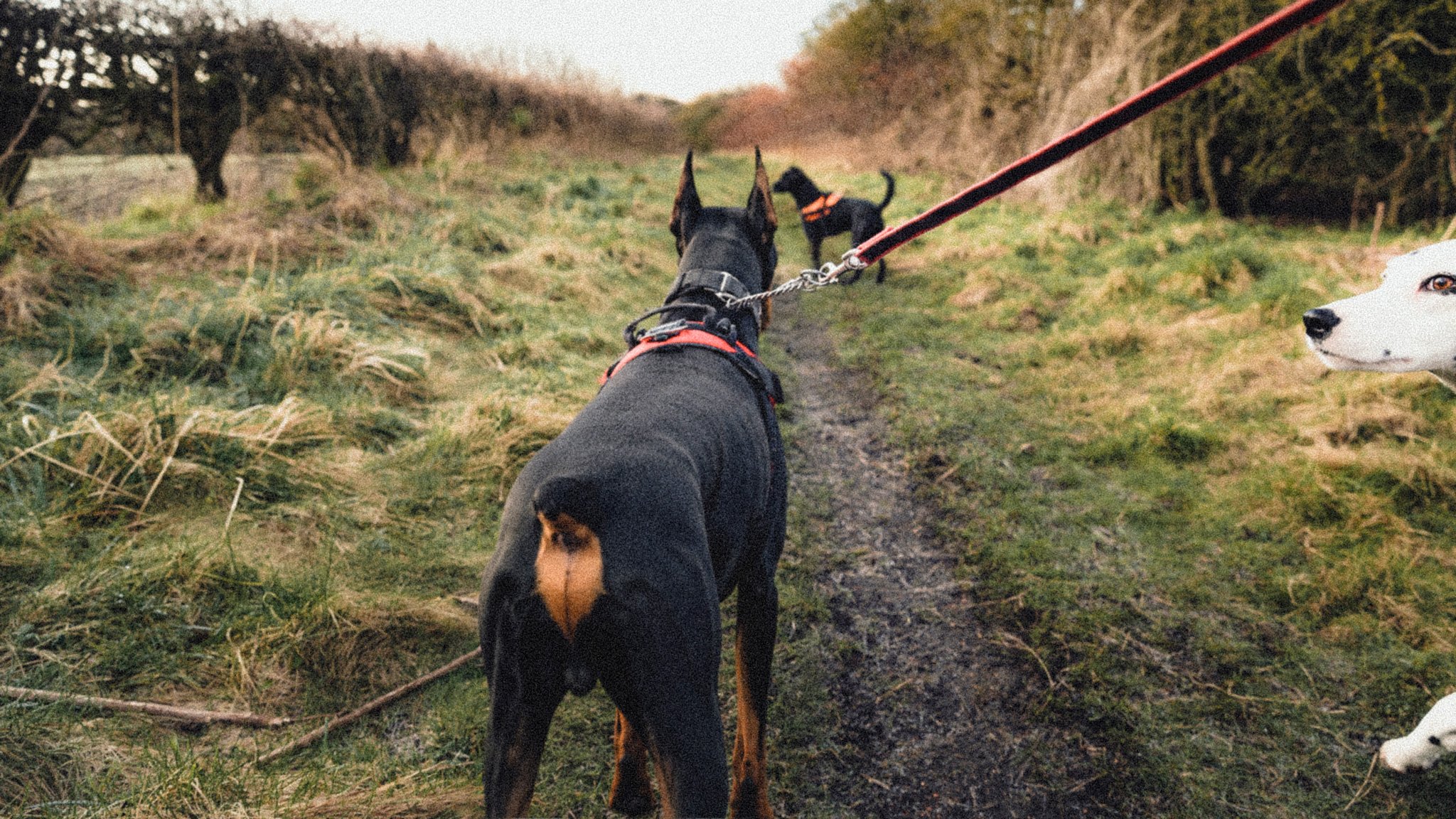
Should Your Doberman Walk in Front of You? Rethinking an Outdated Dog Walking Rule
The old idea that a dog must never walk ahead of you comes from outdated alpha dominance thinking. This article looks at why that belief does not hold up, how constant strict heeling can affect movement and sniffing, and why Doberman guardians should focus on loose-leash control, recall, attention, and walks that support both safety and important natural behavior.
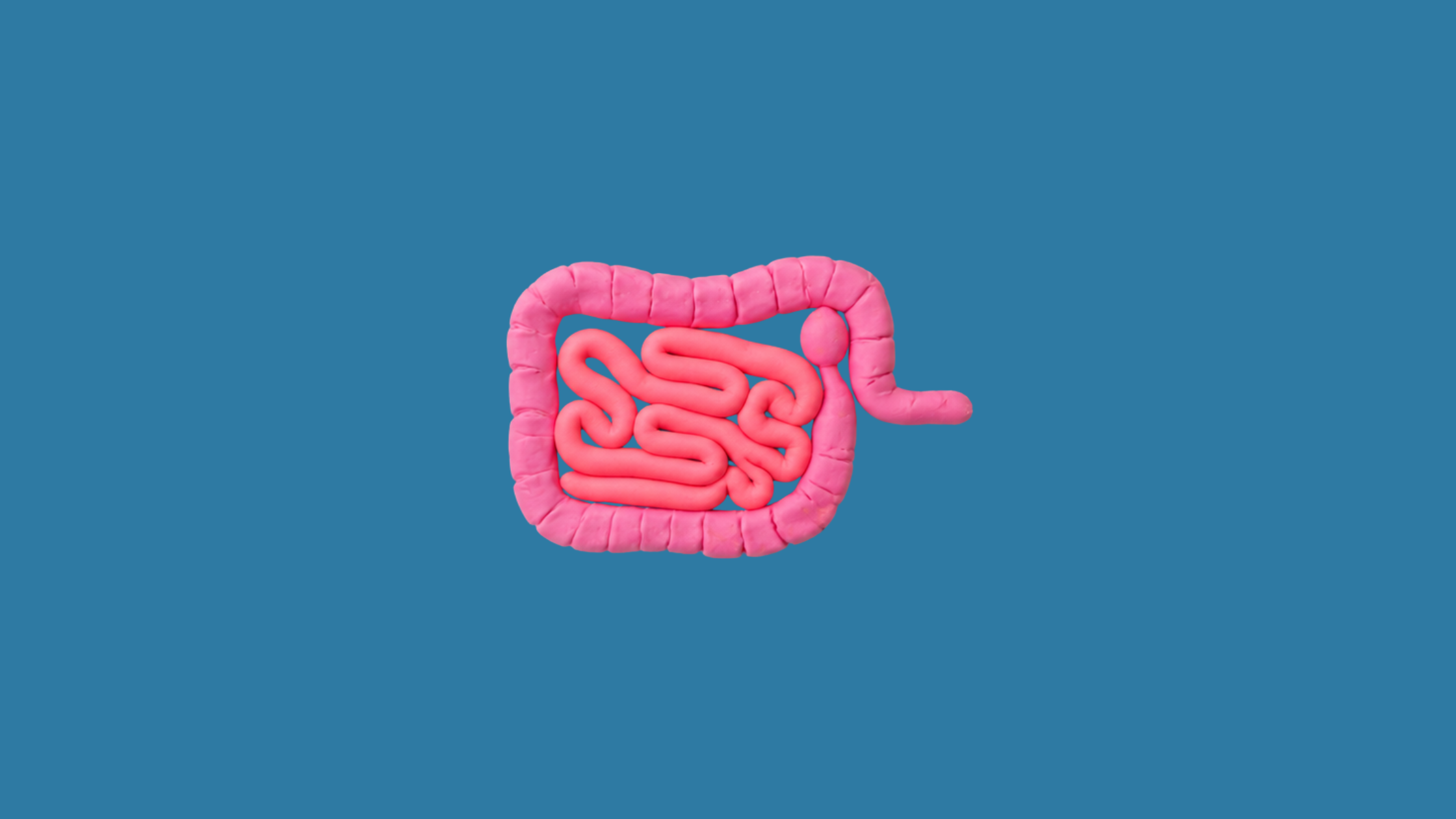
Tailored Probiotic Use: Saccharomyces Boulardii's Possible Role in Managing Giardia Infections in Dobermans

Diatomaceous Earth for Outdoor Flea & Tick Control: What It Can (and Can’t) Do for Your Doberman
Diatomaceous earth is often promoted as a natural flea, tick, and parasite solution, but its real use is much narrower. This article explains how DE works in dry outdoor areas, why food-grade DE is not the same as a proven pest-control product, why it should not be fed to dogs, and why dust, skin irritation, and internet detox claims deserve more scrutiny than they usually get.
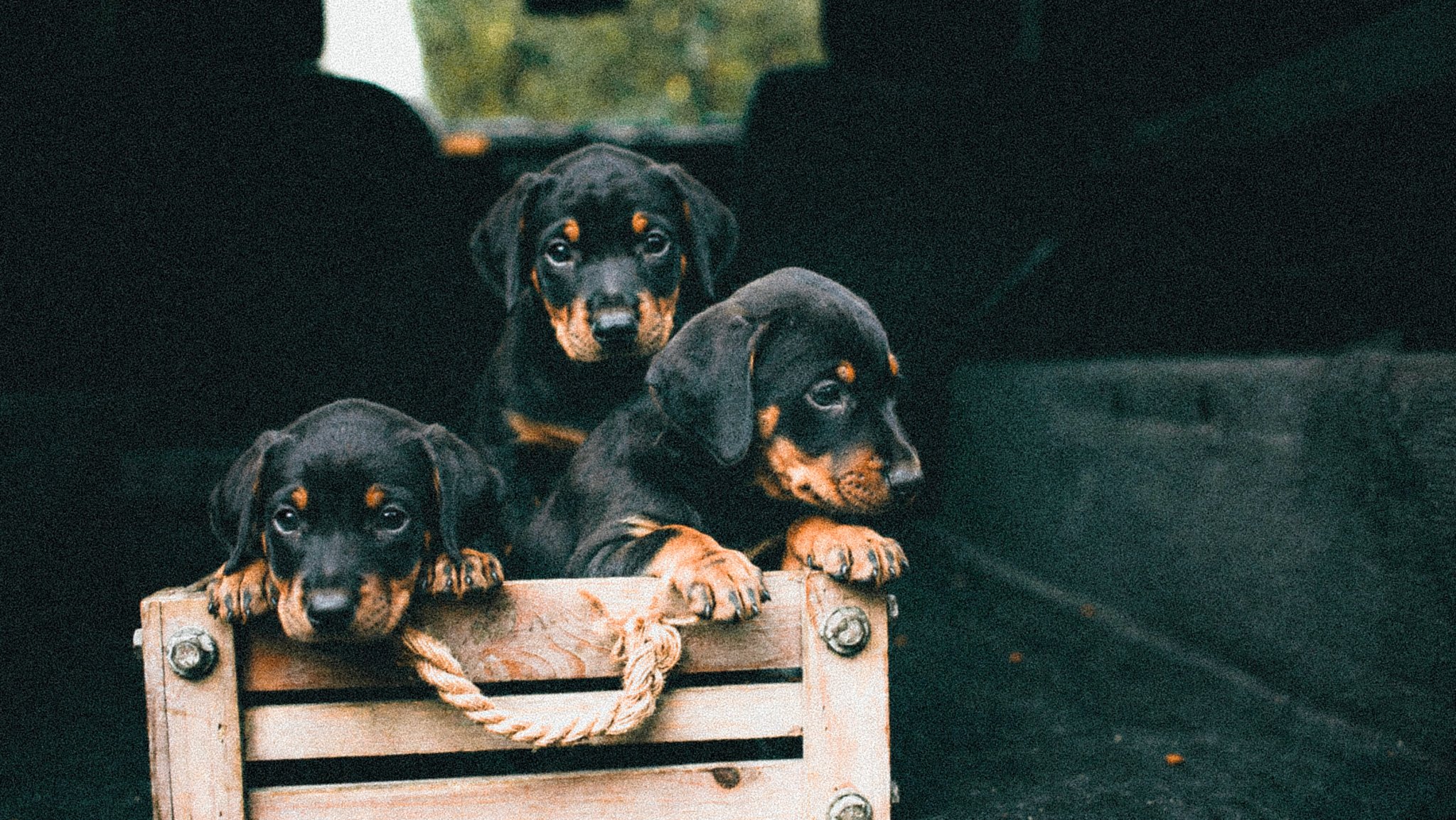
The Controversy Surrounding "One Litter Back" Contracts in Dog Breeding
Kimbertal Kennels: A Closer Look at Their Breeding Practices
Kimbertal Kennels has been debated for years among Doberman owners, buyers, rescues, and welfare advocates. Public concerns include high-volume breeding, inspection-related welfare issues, reported health and behavior problems, rescue reports, return-policy questions, one-litter-back contracts, and the risks prospective Doberman buyers should weigh before committing.

Whole Food vs. Synthetic Supplements for Your Doberman: Navigating Nutritional Choices
The whole-food vs. synthetic supplement debate is not as clean as the marketing makes it sound. For Dobermans, the better question is whether a supplement fits the dog’s diet, nutrient gaps, clinical picture, dose needs, form, budget, and long-term sustainability.
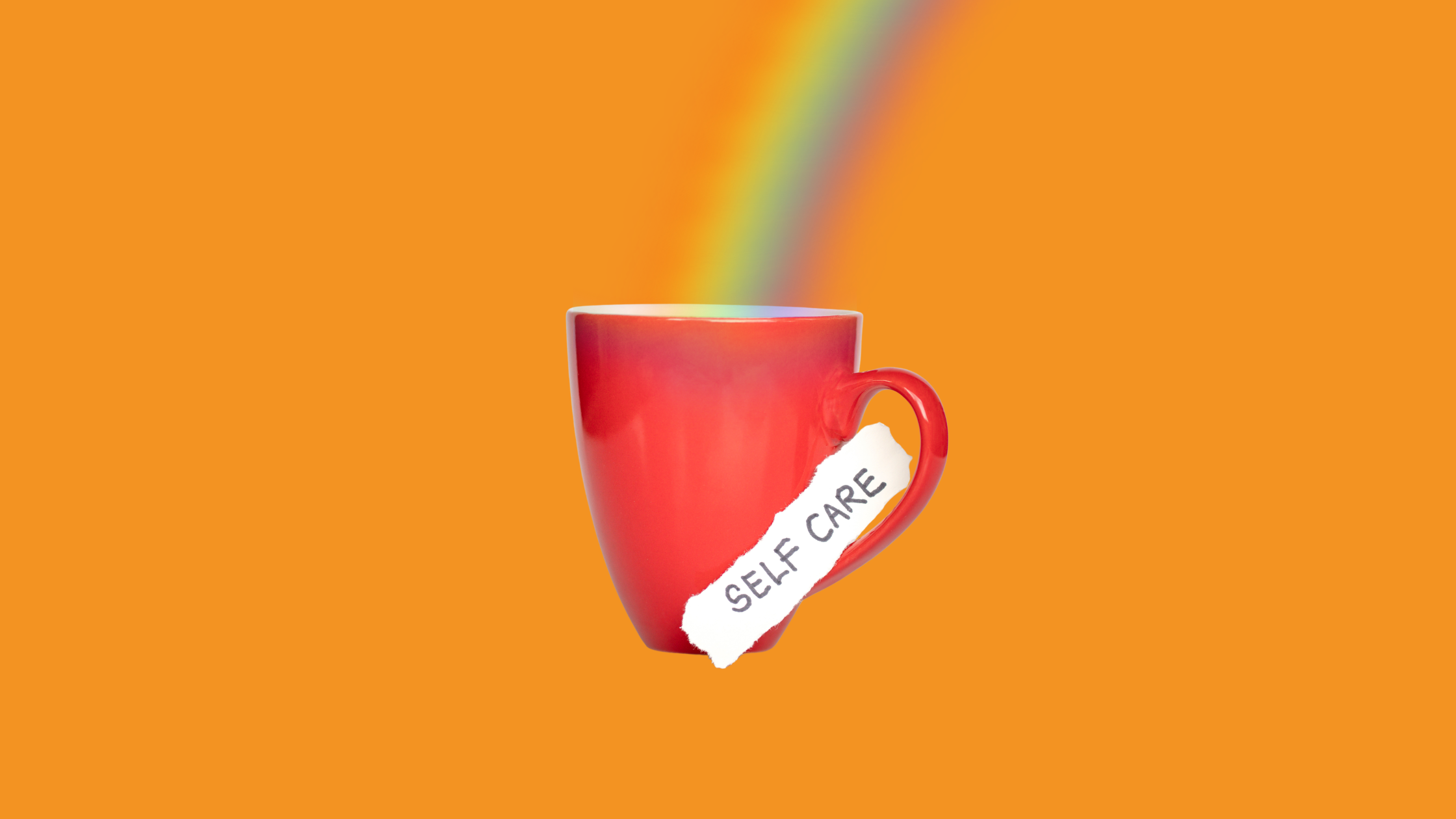
Embracing Self-Care in the Wake of Losing Your Beloved Doberman
Losing a beloved Doberman can affect your heart, body, routines, and sense of connection. This piece explores self-care after loss through grief acceptance, self-compassion, mindfulness, rest, nutrition, supportive connection, creative expression, memorial rituals, and the slow return of joy without rushing the healing process.

Understanding and Coping When Others Don't Share Your Grief Over a Lost Dog

Navigating Through the Storm: Embracing Grief and Guilt After Losing Your Doberman

Debunking the Alpha Dog Training Myth: A Comprehensive Insight

The Doberman's Exercise Guide: Tailoring Activities by Age and the Importance of Interaction
Doberman exercise needs change with age. Puppies need gentle movement while they grow, adults need more physical and mental work, and seniors still benefit from activity adjusted to their mobility. A good routine should include exercise, training, play, problem-solving, and interaction with their guardian.