
Browse our Complementary Magazine Articles.
Browse our
Complementary
Magazine Articles.

The Doberman Archives: The Doberman Pinscher in Dogs as Home Companions, 1922
In 1922, A. F. Hochwalt introduced American readers to a 35-to-40-pound Doberman with Airedale characteristics and a talent for dispatching vermin. His profile offers a, nowadays, peculiar view of the early breed, complicated by Hochwalt’s own history and a champion photograph already eleven years old.
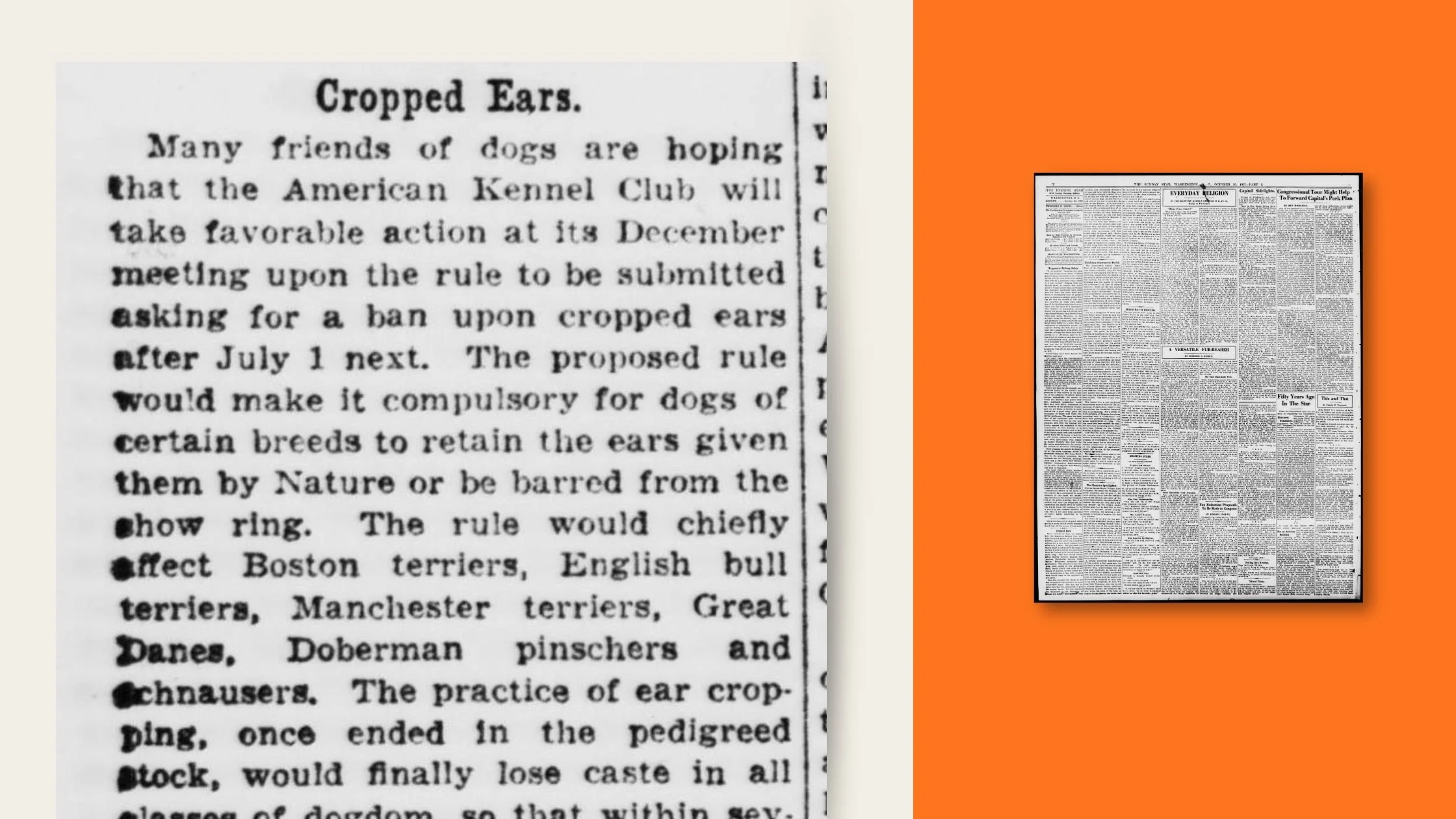
The Doberman Archives: “Cropped Ears,” The Sunday Star, Washington, D.C., October 30, 1927
In October 1927, a Washington newspaper entered the debate over cropped ears and the power of the show ring to shape public taste. Nearly a century later, the disagreement remains remarkably familiar.

Penny Won Westminster. The Doberman Still Isn’t for Everyone.
The Doberman Pinscher has never been a casual choice. Penny’s Westminster win invites admiration, but it also raises an important question: how do aesthetics, algorithms, and modern media shape who falls in love with a breed, and what do they overlook in the process?
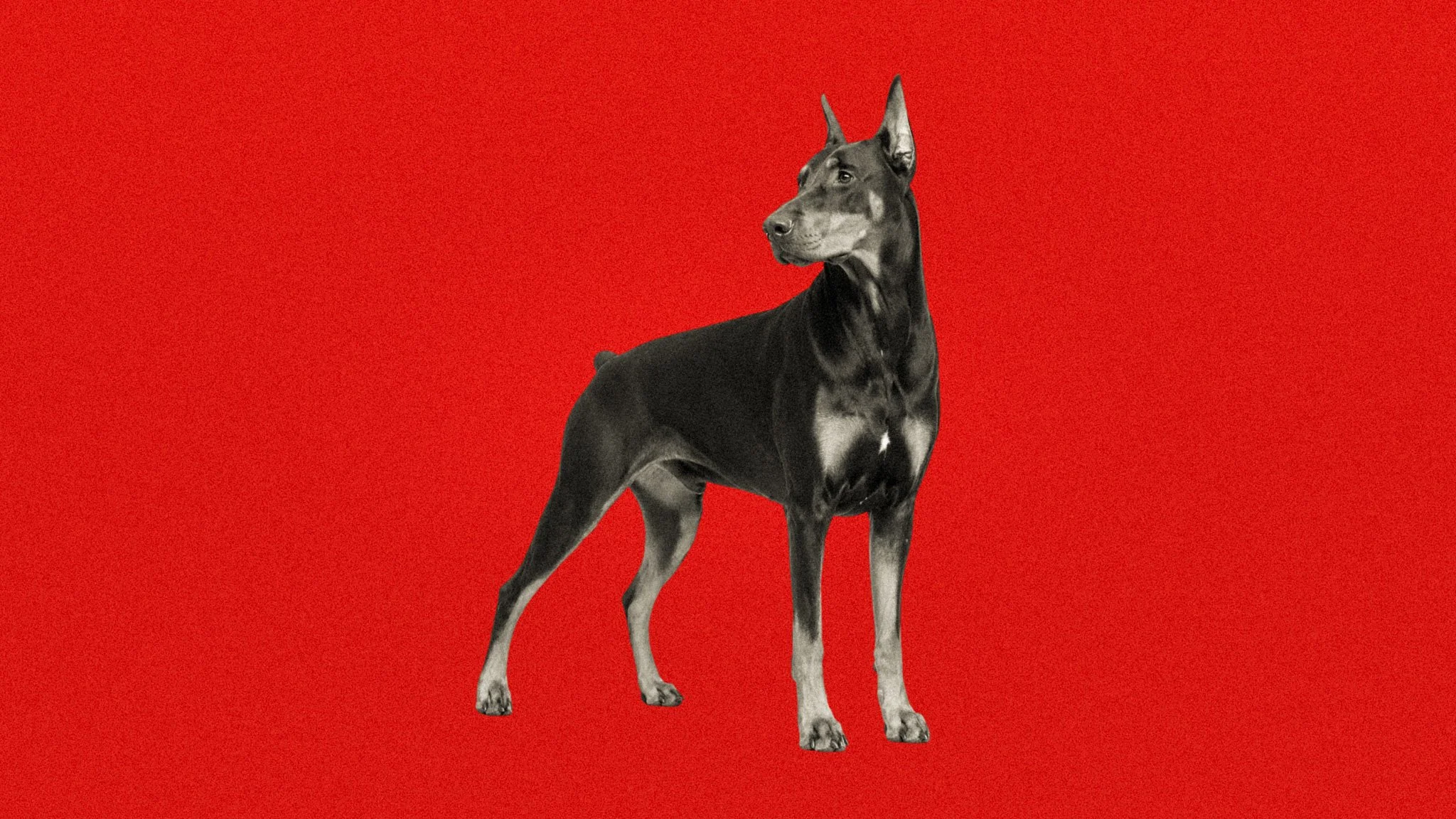
The White Patch on Dobermans: Origins and Implications for Conformation

The Cultural Icon: Dobermans in Media and Public Perception - A Story of Stereotypes
Dobermans have long been used as visual shorthand for danger, wealth, power, and menace. From horror films and villain guard dogs to commercials, music videos, literature, and the occasional heroic role, popular culture has shaped how people see the breed. The stereotype may be dramatic, but it misses the real Doberman: protective, intelligent, deeply attached, athletic, ridiculous, and far more complex than the villain-dog image suggests.
The Controversy Surrounding "One Litter Back" Contracts in Dog Breeding

Kimbertal Kennels: A Closer Look at Their Breeding Practices
Kimbertal has operated for decades and rejects the puppy-mill label. The questions for prospective owners concern breeding volume, reported health and behavioral problems, dogs entering rescue, and the terms attached to an apparently convenient puppy purchase.

The Velcro Nature of Dobermans: A Closer Look
A Doberman will follow you from room to room, supervise the smallest domestic movement and check in even during play. That famous closeness comes with the breed. Learning to stay alone calmly still takes patient, deliberate practice.

Are Dobermans High Maintenance? What You Should Know Before Getting a Doberman
Dobermans are not pets designed for casual ownership. Bred for personal protection, they bond intensely, notice environmental changes quickly, and need clear communication, daily engagement, and thoughtful socialization. In the right home, that depth is exactly what makes them extraordinary. In a low-effort home, the same traits can feel overwhelming.

The Ethical Dilemma of White Dobermans
White Dobermans may look interesting, but this color is tied to a genetic mutation that raises true health and welfare concerns. The white Doberman line traces back to one dog born in 1976, and breeding for this trait means supporting practices that prioritize appearance over vision, skin health, longevity, and ethical breed stewardship.

Understanding the Differences: European vs. American Dobermans
The European label now sells everything from working drive to exaggerated physical bulk. Breed standards never called for a giant Doberman, and recent lifespan research raises awkward questions about the assumption that European lines are automatically healthier than American ones.

History of the Doberman Pinscher
Where did the Doberman come from? Learn about the origins of the Doberman Pinscher in this blog article that goes beyond what you may already know about the breed’s origin.